
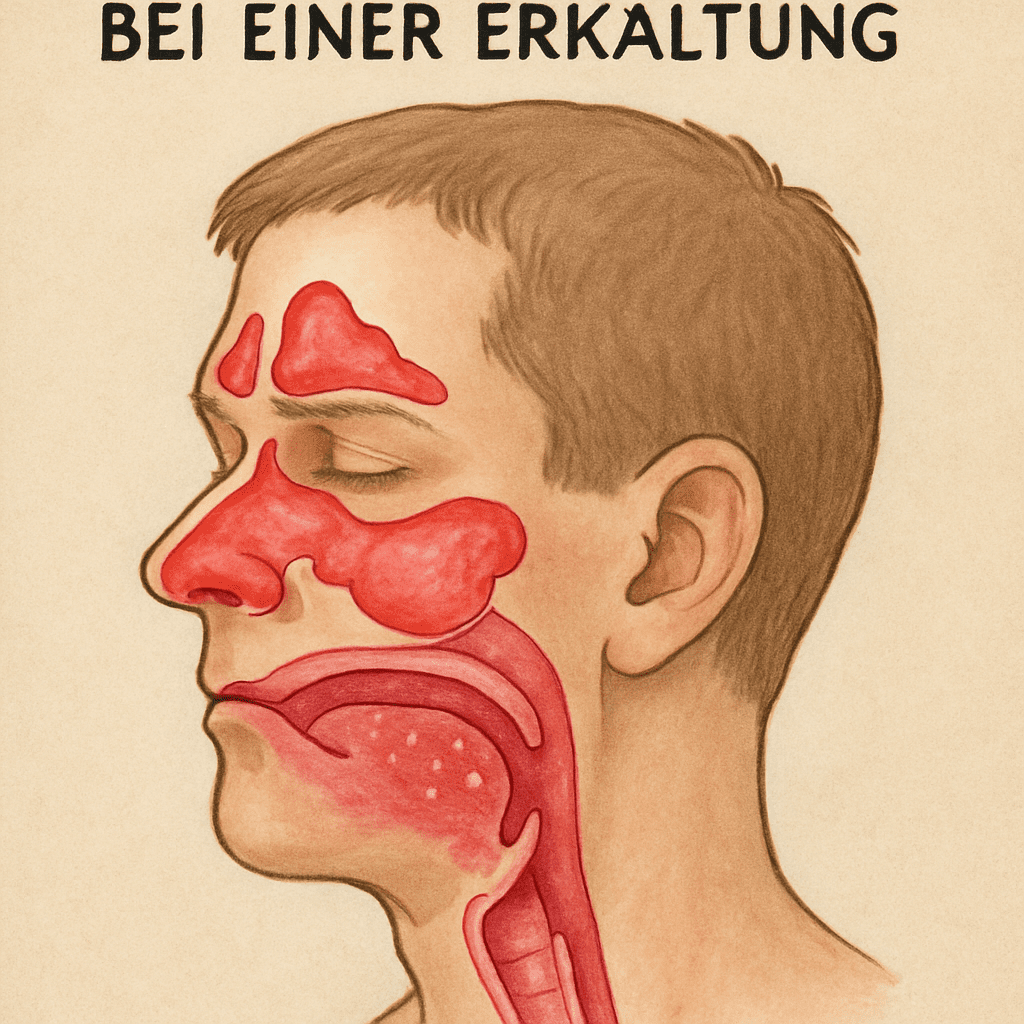
When the cold and wet season arrives, the first waves of colds usually aren't far behind. A stuffy nose, a pounding headache, a sore throat, and a general feeling of weakness can significantly disrupt daily life. Those who need to get back on their feet quickly or want to effectively relieve bothersome symptoms often turn to tried-and-true combination medications. One of the best-known remedies on the market is Aspirin Complex.
But what exactly is in this medication? How does it work, and what should you definitely pay attention to when taking it? In this comprehensive guide, we dive deep into Aspirin Complex Effect First. We will illuminate the ingredients, explain the correct dosage, and take a close look at possible risks to enable you to use it safely.

Aspirin Complex is a medication used to relieve symptoms of colds and flu. It typically contains a combination of active ingredients: * **Acetylsalicylic acid (aspirin):** This is a nonsteroidal anti-inflammatory drug (NSAID) that works by reducing the production of substances in the body that cause pain, fever, and inflammation. * **Caffeine:** This is a stimulant that can help counteract the drowsiness that aspirin might cause and also has a mild pain-relieving effect. * **Pseudoephedrine:** This is a decongestant that helps to reduce swelling in the nasal passages, relieving nasal congestion and sinus pressure. **How it works:** Aspirin Complex tackles cold and flu symptoms by addressing multiple issues simultaneously: * **Pain and Fever:** The acetylsalicylic acid reduces fever and eases aches and pains associated with colds and flu, such as headaches, sore throats, and muscle aches. * **Congestion:** Pseudoephedrine constricts blood vessels in the nasal passages, reducing swelling and opening them up, which helps to relieve stuffy nose and sinus pressure. * **Fatigue:** Caffeine can help combat the feeling of tiredness and lethargy that often accompanies illness, and it can enhance the pain-relieving effects of aspirin. Therefore, Aspirin Complex is designed to provide comprehensive relief from common cold and flu symptoms.
To understand how the medication works, we need to take a closer look at the active ingredients. Aspirin Complex is not a simple pain reliever, but a so-called combination preparation. It combines two very effective substances: Acetylsalicylic acid and pseudoephedrine hydrochloride (in German: acetylsalicylic acid, or ASA, and pseudoephedrine hydrochloride).
These two components attack the cold from two different angles:
- Acetylsalicylic acid (ASA): This classic active ingredient inhibits the body's own production of prostaglandins. These are messenger substances responsible for the development of pain, fever, and inflammation.
- Pseudoephedrine This is a sympathomimetic agent. It causes the widened blood vessels in the nasal lining and sinuses to contract again. The tissue decongests, and secretions can drain.
The interplay of these ingredients creates the specific Aspirin Complex Effect It doesn't just fight pain, it also opens up blocked airways.
The benefits of the combination of active ingredients
Why choose a combination product? In modern health management, experts and patients alike value Combined treatments offer a dual approach to symptom relief. Analgesics help alleviate pain, while decongestants work to reduce swelling in nasal passages, easing congestion. This combination can be particularly effective for symptoms associated with colds, flu, or sinus infections. (The advantages of combining painkillers and decongestants). Instead of having to swallow several different tablets, a single granule covers the most common complaints.
Outstanding features include:
- Fast-acting analgesic properties The liquid dosage form allows the pain-relieving active ingredient to be absorbed particularly quickly by the body.
- Clear a stuffy nose fast: Pseudoephedrine acts rapidly locally in the mucous membranes, allowing you to breathe freely again in a short time.
- Anti-inflammatory action for a sore throat: The anti-inflammatory property of aspirin not only helps with headaches and body aches, but also relieves redness and pain in the throat.
Areas of application: When does the medication help?
Aspirin Complex is specifically designed for the treatment of so-called cold-related accompanying symptoms. In international medicine, this is aptly referred to as Relief from cold and flu symptoms (Relief from cold and flu symptoms).
The remedy is particularly effective for the following conditions:
- Runny nose and clogged sinuses: As a targeted Nasal congestion and sinus pressure treatment It clears the nasal passages and relieves the uncomfortable feeling of pressure that often sits behind the eyes and cheekbones.
- Headaches and fever spikes: During the task Reducing sinus headache and fever (Reduces sinus headaches and fever) the contained aspirin does a great job.
- General feeling of illness If you feel weak and tired, the preparation fights body aches and shortens your recovery time.
Application and Dosage: How to Do It Right
For the medication to work optimally and remain safe, correct handling is essential. Many patients are looking for information on the topic To take cold medicine sachets: 1. **Read the instructions:** Always carefully read the package of your specific cold medicine sachet. The dosage and method of administration can vary between brands and types of medicine. 2. **Open the sachet:** Tear open the sachet at the indicated notch or edge. 3. **Mix with liquid (if required):** Most cold medicine sachets are designed to be mixed with water. Pour the contents of the sachet into a glass or cup. Add the recommended amount of water (usually warm water is preferred for dissolution, but check the package). 4. **Stir well:** Stir the mixture thoroughly until the powder is completely dissolved. This may take a minute or two. 5. **Drink the mixture:** Drink the entire contents of the glass. 6. **Follow the dosage schedule:** Take the medicine as directed by the package instructions or your doctor. Do not exceed the recommended dose or frequency. 7. **Storage:** Store the sachets in a cool, dry place, away from direct sunlight and out of reach of children. **Important considerations:** * **Type of medicine:** Ensure you are taking the correct type of cold medicine for your symptoms (e.g., for cough, congestion, fever, etc.). * **Interactions:** Be aware of potential interactions with other medications you are taking. Consult your doctor or pharmacist if you are unsure. * **Underlying conditions:** If you have any pre-existing medical conditions, consult your doctor before taking any new medication. * **Children:** If you are giving cold medicine to a child, make sure it is age-appropriate and follow pediatric dosage guidelines strictly. Use a child-specific sachet if available. * **Pregnancy/Breastfeeding:** If you are pregnant or breastfeeding, consult your doctor before taking any medication. (How to take cold medicine packets), as granules work differently than classic tablets.
Step-by-step preparation
The application is incredibly simple if you adhere to the Dissolving granules in water instructions to hold
- Pour the contents of one to two bags into a glass.
- Fill the glass with water (room temperature is perfectly fine, it doesn't need to be boiling hot).
- Stir the mixture well. The granules will dissolve quickly, but may remain slightly cloudy.
- Drink the glass quickly and completely.
- It is best to take the medication after a meal to protect your stomach.
The correct dosage
More is not always better. Especially with combination preparations, the limits must be strictly adhered to. For adults and adolescents aged 16 and over, there is a clear regulation regarding the Maximum daily dosage for effervescent granules (Maximum daily dose for effervescent granules).
- Single dose 1 to 2 packets.
- Time interval There should be at least 4 to 8 hours between doses.
- Maximum daily dose Never take more than 6 bags within 24 hours.
Important Note: Aspirin Complex should not be taken for more than 3 consecutive days without medical advice. If symptoms do not subside afterwards, it is advisable to consult a doctor.
Holistic Approach: Managing Flu Symptoms at Home
Medications such as Aspirin Complex are an excellent tool, but they do not cure the actual viral infection – they only alleviate the symptoms. When it comes to the topic Managing flu symptoms at home When it comes to managing flu symptoms at home, you should always combine the preparation with tried-and-true home remedies and rest:
- Drink plenty: Water and unsweetened herbal teas keep mucous membranes moist and thin nasal secretions.
- Increase humidity A damp towel over the radiator or inhaling with saline solution supports the decongestant effect of pseudoephedrine.
- Sleep and Rest: Give your immune system the energy it needs to fight off viruses. Avoid physical exertion and exercise.

Important Notes: Aspirin Complex Side Effects and Contraindications
Like any effective medication, this one can also have side effects. Those who decide to take it should be aware of the potential Aspirin Complex side effects to be informed.
More common side effects include gastrointestinal issues such as nausea, heartburn, or mild abdominal pain, as aspirin can irritate the stomach lining. Due to pseudoephedrine, which has a mild stimulant effect on the central nervous system, some users also report restlessness, palpitations, or insomnia. For this reason, it is advisable not to take the medication immediately before bedtime.
Who should refrain from taking the medication?
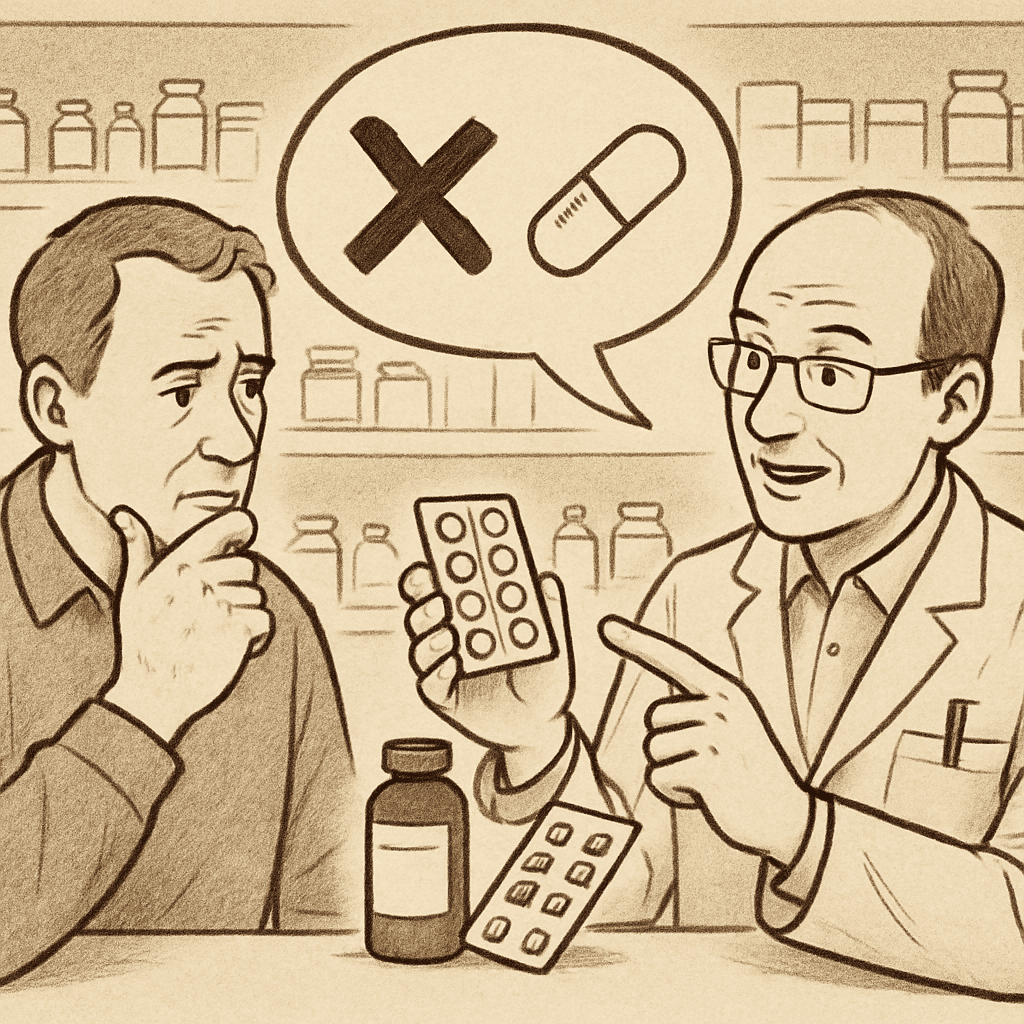
There are specific situations in which medical professionals precisely define, You should avoid pseudoephedrine if you have high blood pressure, heart disease, thyroid disease, diabetes, or trouble urinating due to an enlarged prostate. It can also interact with certain medications. You should avoid aspirin if you have a bleeding disorder, stomach ulcers, or are allergic to aspirin or other NSAIDs. Aspirin should also generally be avoided in children and teenagers due to the risk of Reye's syndrome. It can also interact with certain medications, especially blood thinners. Always consult with a doctor or pharmacist before taking pseudoephedrine or aspirin, especially if you have any underlying health conditions or are taking other medications. (When to avoid pseudoephedrine and aspirin). You may take the medication not take when you:
- under 16 years old.
- are pregnant or breastfeeding.
- suffer from stomach and intestinal ulcers.
- have a known hypersensitivity to salicylates.
- suffer from severe heart failure or kidney/liver failure.
Special caution with high blood pressure
An elementary point that is often overlooked is the Risks for patients with high blood pressure (Risks for patients with high blood pressure). Pseudoephedrine acts systemically (on the entire body). It not only constricts the blood vessels in the nose but can also cause blood pressure to rise in the rest of the body. Patients who already suffer from hypertension (high blood pressure) or have cardiovascular diseases should strictly avoid this preparation or absolutely consult their doctor beforehand. A dangerous increase in blood pressure can be the consequence.
Take care: Interactions with other medications
Another important aspect before taking are possible Interactions with other common medications (Interactions with other common medications). Aspirin thins the blood; pseudoephedrine affects circulation. Therefore, dangerous interactions can occur if you take other medications at the same time.
Avoid taking Aspirin Complex (or ask your pharmacist) if you are using the following:
- Blood thinners (anticoagulants): The combination massively increases the risk of bleeding.
- Antidepressants (especially MAO inhibitors): Here, the combination with pseudoephedrine can lead to life-threatening hypertensive crises.
- Other NSAIDs (like Ibuprofen or Diclofenac): Taking multiple anti-inflammatory painkillers at the same time increases the risk of stomach ulcers and kidney damage without significantly increasing the benefit.
- Blood sugar lowering agents The effect of antidiabetics can be enhanced.
Conclusion: Use quick help with understanding
The Aspirin Complex Effect The preparation rightly makes it one of the most popular remedies for severe cold symptoms. The intelligent combination of anti-inflammatory pain relief and effective decongestion offers rapid relief when your head is pounding and your nose is completely blocked.
Nevertheless Aspirin Complex a potent medication that must be used with caution. Those who follow the dosage guidelines, possible Aspirin Complex side effects Those who keep an eye on the weather and take pre-existing conditions like high blood pressure seriously will find a strong ally here for the cold season.
Use medication as a bridge to get through the toughest days of your cold, but don't forget: the best medicine is still adequate rest, warmth, and plenty of fluids, so your body can defeat the viruses on its own. Stay healthy!
