
Almost everyone knows this unpleasant feeling: a queasy tingling in the stomach, cold sweat on the forehead, increased salivation, and an immediate loss of appetite. Nausea is not an independent illness, but a leading symptom of our body. It is a kind of internal alarm system that protects us from keeping potentially harmful substances in the body, or signals to us that something is out of balance.
However, as evolutionarily sensible as this protective mechanism may be, it is extremely burdensome in everyday life. In this comprehensive guide, you will learn not only where that queasy feeling comes from, but also which tried-and-tested methods, home remedies, and dietary tips will help you get back on your feet quickly.

Common Causes: Why is your stomach rebelling?
The triggers for discomfort are as diverse as our everyday lives. To take the right countermeasures, it is important to understand where the complaints are coming from. Among the most common Causes of dizziness and vomiting as well as general discomfort:
1. Infections and Food
A classic gastrointestinal infection (gastroenteritis), caused by viruses (like norovirus) or bacteria, paralyzes the digestive system. The same happens when we have eaten spoiled food. The body then tries to get rid of the toxins as quickly as possible.
2. Hormonal fluctuations
Hormones have a massive impact on our digestive system.
- Premenstrual Syndrome Many women suffer from Nausea Before Your Period. This is often related to the drop in estrogen levels and the release of prostaglandins, which cause contractions not only in the uterus but also in the gastrointestinal tract.
- Pregnancy The Nausea pregnancy (Emesis gravidarum) affects up to 80 percent of all expectant mothers. In order to Relieve first-trimester pregnancy discomforts To manage this, experts recommend eating a dry biscuit or rusk before getting out of bed in the morning and having many small meals throughout the day to keep blood sugar levels stable.
3. Stress and the Psyche
Our digestive tract is directly connected to our brain via the so-called gut-brain axis. Psychosomatic stomach problems due to stress, Anxiety or intense nervousness (think: test anxiety) are therefore not uncommon. When the body releases stress hormones like cortisol, digestion slows down—and we feel queasy.
4. Motion Sickness (Kinetosis)
When the eyes register movement (the passing landscape), but the balance organ in the ear signals stillness (because you are sitting in a car), a sensory conflict arises in the brain. Who Relieving Symptoms of Motion Sickness One should look fixedly at the horizon, ensure fresh air, and strictly avoid reading or looking at a smartphone while driving.

What to do about nausea? Quick home remedies
When you're caught off guard, good advice is hard to come by. Fortunately, there are excellent Home remedies for an upset stomach, which provide quick relief without having to resort to harsh chemicals right away. What can you do to relieve nausea? Here are the most effective immediate measures:
The Power of Nature: Harnessing Plant Compounds
Would you like to Natural antiemetics available without a prescription When it comes to this, Naturapotheke is well-stocked:
- Ginger The tuber is the undisputed star among stomach soothers. Ginger tea effects on stomach problems is even scientifically well documented. The gingerols it contains block certain serotonin receptors in the stomach that are responsible for nausea. Simply pour boiling water over a few fresh slices of ginger and drink the broth in small sips.
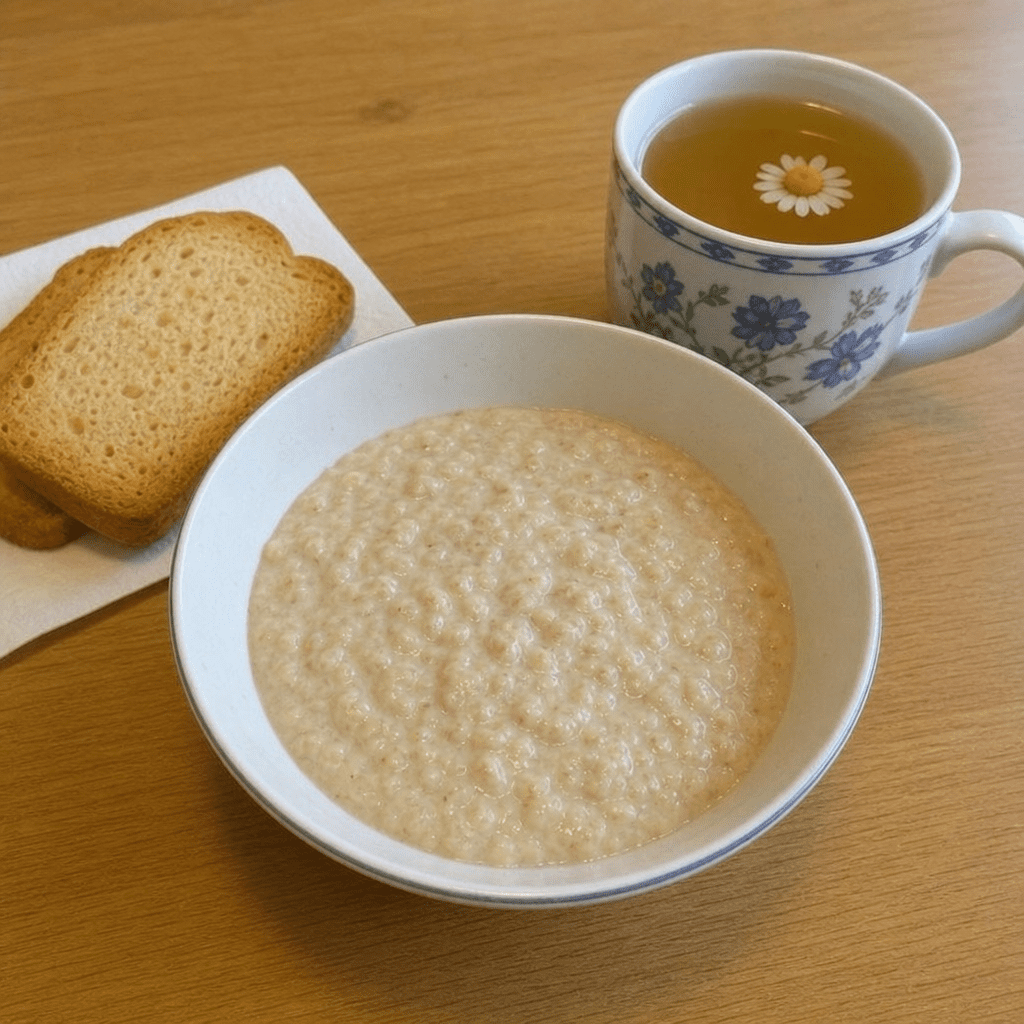
- Peppermint and chamomile Both herbs have an antispasmodic effect on the stomach muscles and soothe the mucous membranes.
- Fennel, Caraway, and Anise Tea: A time-tested blend that reduces bloating and gently relaxes the gastrointestinal tract.
First Aid through Pressure: Acupressure
A fascinating method that is completely free of side effects involves certain Acupressure points for discomfort. The best-known point is called P6 (Pericardium 6) or „Neiguan.“.
- Here's how to find it: Place three fingers (index, middle, and ring fingers) of your right hand horizontally across the inside of your left wrist, just below the wrist crease. Point P6 is located directly under your index finger, in the middle between the two palpable tendons.
- Massage this point with light to medium pressure in a circular motion for about two to three minutes. Then switch sides.
The Right Diet: What to Eat When Your Stomach is Upset
Appetite is usually zero when you're feeling unwell. Nevertheless, the body needs energy and, above all, fluids to regenerate. But that Eating with a stomach bug must be well thought out so as not to further irritate the digestive tract.
The Setup: Foods That Soothe the Stomach
In the first few days, rely on a low-fat, bland, and easily digestible diet. The so-called BRAT diet (an acronym for Bananas, Rice, Applesauce, Toast) is an excellent guide here.
- Grated apple Let the grated apple brown slightly. This releases pectin, a soluble dietary fiber that binds toxins in the intestines and protects the mucous membrane.
- Bananas They are easily digestible and provide important potassium that may have been lost through vomiting.
- Zwieback and crispbread Absorb excess stomach acid and do not cause discomfort.
- Boiled potatoes or rice: Carbohydrates provide quick energy without weighing heavily on the stomach.
Practical bland diet recipes after food poisoning
Once you've weathered the worst, you can slowly start with warm, bland food again.
Recipe 1: Stomach-Friendly Oatmeal (Porridge) Cook 4 tablespoons of tender oatmeal with 200 ml of water (avoid milk for the first few days, as lactose can be irritating) and a pinch of salt. Stir until a creamy porridge forms. Add some grated apple or a mashed banana.
Recipe 2: Classic Carrot Soup (Moros' Carrot Soup) Boil 500g peeled and chopped carrots in one liter of water for at least 90 minutes. Puree the mixture, top up to one liter with boiling water, and add 3 grams (about a scant teaspoon) of salt. The long boiling process creates special sugar molecules that prevent harmful bacteria from attaching to the intestinal wall.
Replenishing fluid loss: Electrolytes are essential
Especially when the discomfort is accompanied by vomiting or diarrhea, the body loses massive amounts of water and vital salts (electrolytes). Plain water is often not enough then.
Here is a simple DIY Electrolyte Drinks Recipe, that you can quickly implement at home:
- Take 1 liter of still water (or cooled chamomile tea).
- Add 1/2 teaspoon of plain table salt (sodium chloride).
- Add 4-5 teaspoons of dextrose (or regular household sugar as an alternative).
- To help maintain your potassium balance and add a little flavor, squeeze in the juice of half an orange or lemon. Tip: Drink the solution well chilled in very small, slow sips.
Medication Aids: When Home Remedies Are No Longer Enough
Sometimes the nausea is so severe that natural methods are not enough to retain sufficient fluids in the body. There are various so-called antiemetics (anti-nausea medications) available at the pharmacy.
One of the best-known active ingredients in Germany is dimenhydrinate (often known by the brand name Vomex A). If you are considering this medication, you should be aware of Vomex Side Effects and Dosage Be clear:
- Mechanism of action It blocks histamine receptors in the vomiting center of the brain.
- Dosage: Dosage is strictly based on body weight and age. The medication is available as coated tablets, syrup, or suppositories (the latter are particularly practical if nothing stays in the stomach). Always follow the package insert or the pharmacist's instructions precisely.
- Side effects By far the most common side effect is severe fatigue and drowsiness. Therefore, you must not drive a vehicle after taking it. Dry mouth or dizziness can also occur.

Red Flags: When do I need to see a doctor?
A mild stomach upset is annoying, but usually harmless and heals on its own. Nevertheless, there are warning signs that you should take seriously. When Medical Advice is Necessary for Stomach Cramps and you should not wait any longer:
- Duration If the complaints in adults last for more than 48 hours (in children and seniors after 24 hours) without interruption.
- Blood When vomit is bloody or looks like coffee grounds.
- Accompanying symptoms High fever, a stiff neck, extreme headaches, or clouded consciousness are absolute warning signs. These could indicate more severe infections, meningitis, or neurological problems.
- Dehydration (Drying out): If you have extremely dark urine, no longer need to urinate, feel severely dizzy when standing up, or your skin loses elasticity.
- Suspected poisoning If you suspect you have ingested mushrooms, poisonous plants, or chemicals.
- Severe pain If nausea is accompanied by sudden, very strong stomach cramps or abdominal pain (especially in the lower right abdomen – suspicion of appendicitis).
Conclusion: Listen to your gut
Nausea is a powerful signal from our body that forces us to rest. Whether triggered by stress, hormones, travel, or the wrong lunch – usually a little patience, rest, and the power of tried-and-true home remedies like ginger tea are enough. Pay attention to a mild, bland diet and, above all, ensure you replenish lost fluids and electrolytes.
Give yourself and your body the time it needs to recover. Do not force yourself to eat if you lack appetite, but start slowly with easily digestible foods. However, if the symptoms are unusually severe or persist for days, do not hesitate to seek professional medical help. Your stomach will thank you!
