
While many people consciously try to lose a few pounds, the exact opposite can quickly lead to great concern. Unintended weight loss is a serious signal from the body that should never be simply ignored. If the display on the scale is steadily dropping without you changing your diet or intensifying your exercise program, caution is advised.
But at what point should the alarm bells ring? Many patients ask themselves the legitimate question: Weight loss is dangerous when it is too rapid, unintentional, or accompanied by other symptoms like fatigue, nutrient deficiencies, or muscle loss. Rapid weight loss can disrupt metabolism, lead to gallstones, and cause electrolyte imbalances. As a general medical rule of thumb: if you unintentionally lose more than five percent of your body weight within six months, you should have it medically evaluated. Sudden weight loss can have a variety of triggers – from harmless stress to serious organic diseases.
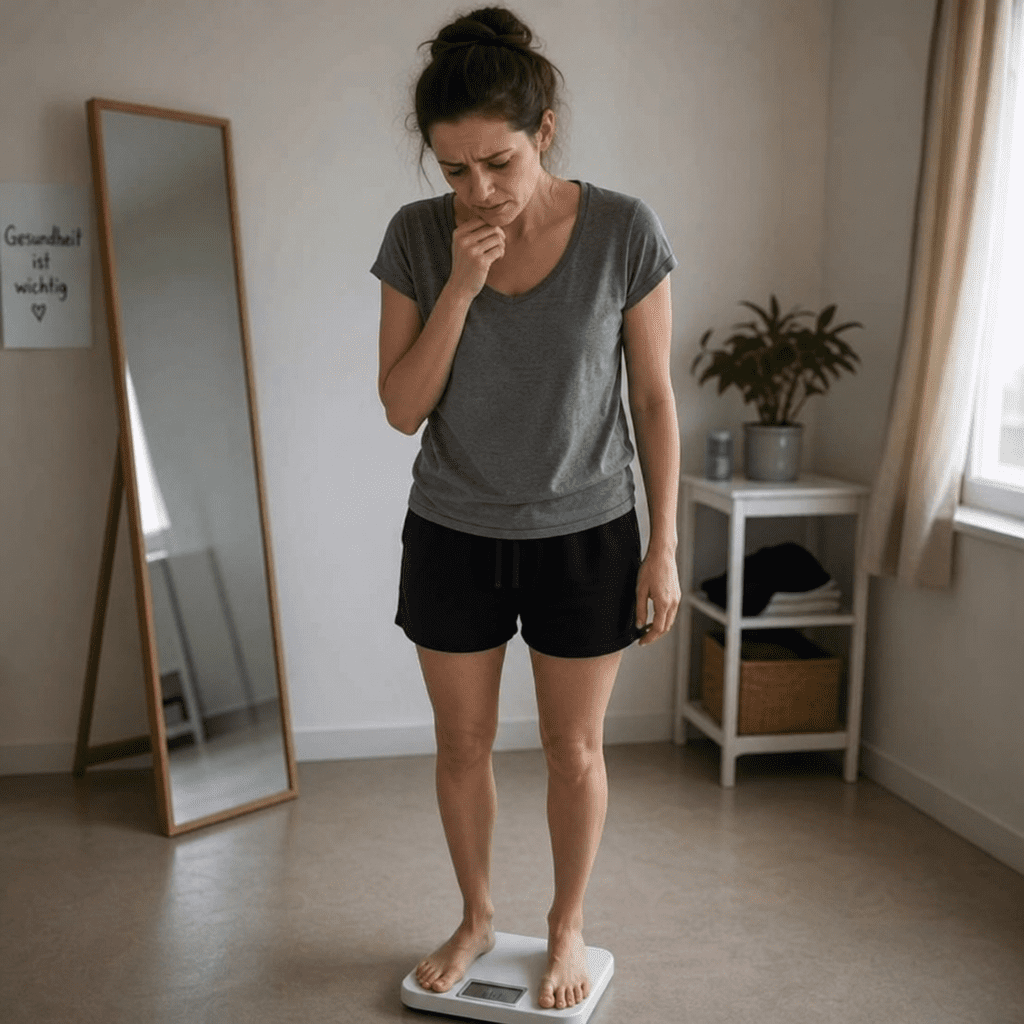
Physical Triggers: Causes of Sudden Weight Loss Without Dieting
The range of physical reasons for unexplained weight loss is broad. Metabolic problems, gastrointestinal illnesses, or age-related changes are often behind it.
Metabolism and hormones out of balance
Our metabolism is the engine of our body. When it runs at full speed, we burn more energy than we consume. Classic Symptoms of hyperthyroidism (Hyperthyroidism) are, in addition to weight loss, often constant sweating, inner restlessness, rapid heartbeat, and a paradoxically increased appetite.
Blood sugar can also be the culprit. Among the typical Diabetes symptoms in adults (especially Type 1, but also undiagnosed Type 2) include excessive thirst, frequent urination, fatigue, and significant weight loss, as the body can no longer properly transport sugar into cells and instead breaks down fat and muscle tissue.
When the gut rebels
A healthy digestive system is essential for nutrient absorption. When Chronic inflammatory bowel disease signs such as persistent diarrhea, severe abdominal pain, or blood in the stool (for example, in Crohn's disease or ulcerative colitis), the intestine can no longer perform its job properly. The consequence is often a dangerous Nutrient deficiency due to malabsorption Your body is starving, even though you're eating enough.
Age-related changes and serious illnesses
As we age, our metabolism changes. Loss of appetite and weight loss in old age are common problems that arise from a declining sense of taste and smell, dental issues, or loneliness. It is important in these cases to Cachexia vs. Sarcopenia Differences To know: Sarcopenia refers to age-related muscle mass loss. Cachexia, on the other hand, is a disease-related, severe wasting (loss of fat and muscle), often accompanied by significant inflammatory processes.
Additionally, a Cancer screening for significant weight loss an absolutely critical step. Many tumor diseases consume an enormous amount of energy and release substances that inhibit appetite and accelerate the loss of body mass.

The Mind Factor: Unintentional Weight Loss and the Psyche
The problem isn't always physical. When it comes to the area Unwanted weight loss psyche It quickly becomes clear how closely the mind and stomach are connected. Emotional stress can literally „hit the stomach.“.
There are diverse Psychosomatic reasons for underweight. This includes severe clinical depression, anxiety disorders, or deep grief. During such phases, the brain releases stress hormones that can completely suppress the feeling of hunger. Eating suddenly becomes a burdensome chore or even causes nausea.
If you notice that worries are literally consuming you, it is important to Managing stress-related weight loss to learn. Relaxation techniques, regular (and if necessary, small) mealtime rituals in a relaxed atmosphere, as well as professional psychological support can work true wonders here to break the vicious cycle of stress and lack of appetite.
Diagnosis: Which doctor for unexplained weight loss?
If you notice the signs mentioned above, you should not hesitate. However Which doctor for unexplained weight loss Is the right contact person?
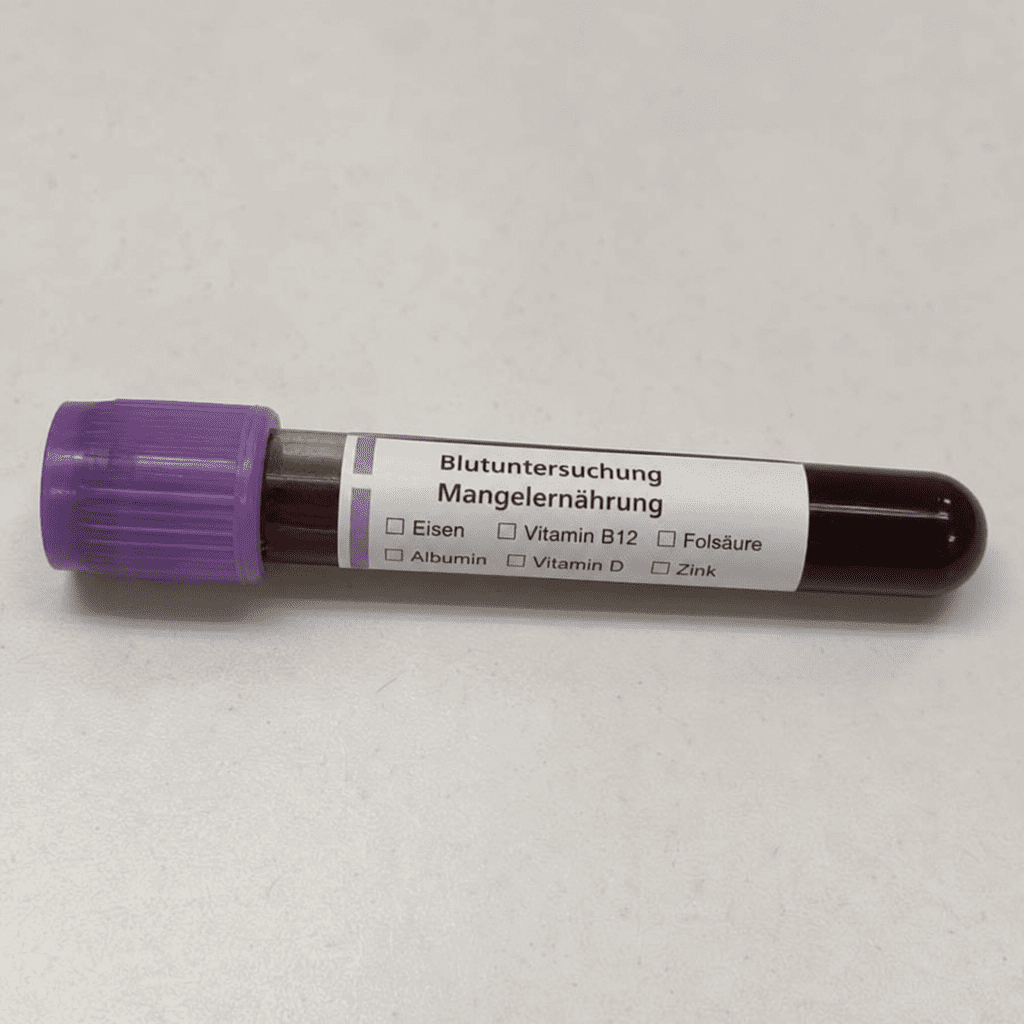
The first point of contact is always the family doctor or general practitioner. They will conduct a thorough medical history and order basic examinations. A crucial step is to Check blood values for malnutrition to allow. This includes:
- Complete Blood Count
- Thyroid values (TSH)
- Blood sugar (long-term blood sugar HbA1c)
- Inflammatory parameters (CRP)
- Vitamins and minerals (e.g., iron, vitamin B12, folic acid, vitamin D)
- Protein and albumin levels
Depending on the findings, your primary care physician will refer you to specialists, such as a gastroenterologist (stomach and intestines), an endocrinologist (hormones), or a psychotherapist.
Treatment and Tips: Finding Your Way Back to a Healthy Weight
Once the medical cause is found and treated, it's time for rebuilding the body. A targeted Nutritional plan for underweight due to illness is essential for gaining weight back safely and healthily. It’s not enough to simply eat „more“ of anything – nutrient quality is key.
Practical tips for everyday life
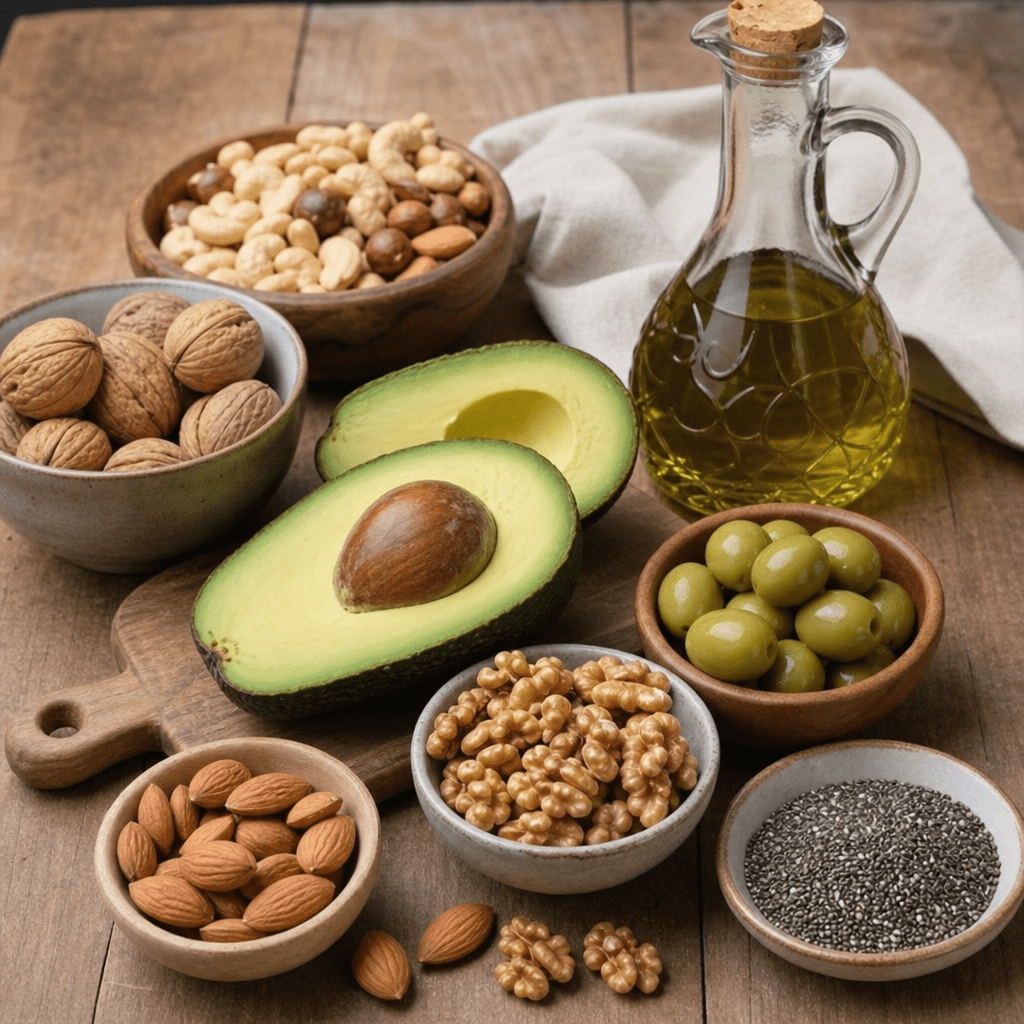
- High-calorie food for weight gain: Reach for foods that provide a lot of healthy energy in a small volume. These include nuts, seeds, avocados, high-quality vegetable oils (like olive or flaxseed oil), fatty fish, and full-fat dairy products.
- Many small meals When appetite is lacking, large portions can be daunting. Five to six small, energy-dense meals and snacks spread throughout the day are easier to manage.
- Drinking calories Sometimes drinking is easier than chewing. Homemade smoothies with bananas, nut butter, oats, and whole milk are true calorie bombs full of nutrients. In cases of severe malnutrition, a doctor can also prescribe medical drinking formulas.
- Enrich nutrients: Enrich soups or purees with an extra splash of cream, a spoonful of oil, or grated cheese. This will increase the calorie density without changing the serving size.
Conclusion: Take Action
Unintentional weight loss is a symptom that has diverse – often treatable – causes. Whether it's organic diseases, nutrient absorption disorders, or psychological stress behind it: The downward spiral on the scale requires attention. Observe your body closely, don't shy away from seeing a doctor, and support your body with a conscious, energy-rich diet. With the right diagnosis and an individually tailored meal plan, your desired weight can usually be restored gently and sustainably.
