
Imagine this: You jolt awake from a deep sleep in the middle of the night. Your heart is pounding, your pajamas are sticking to your body, and your pillow is damp. Many people, in precisely this moment, worryingly ask themselves: Why do I wake up drenched in sweat at night?
Occasional sweating on hot summer nights or under a too-thick down comforter is completely normal. However, if you experience severe night sweats regularly without external temperatures justifying it, it's worth taking a closer look. Excessive sweating during sleep not only reduces rest but can also be an important signal from our body.
In this article, we shed light on the background, provide practical everyday tips, and clarify when medical advice is essential.
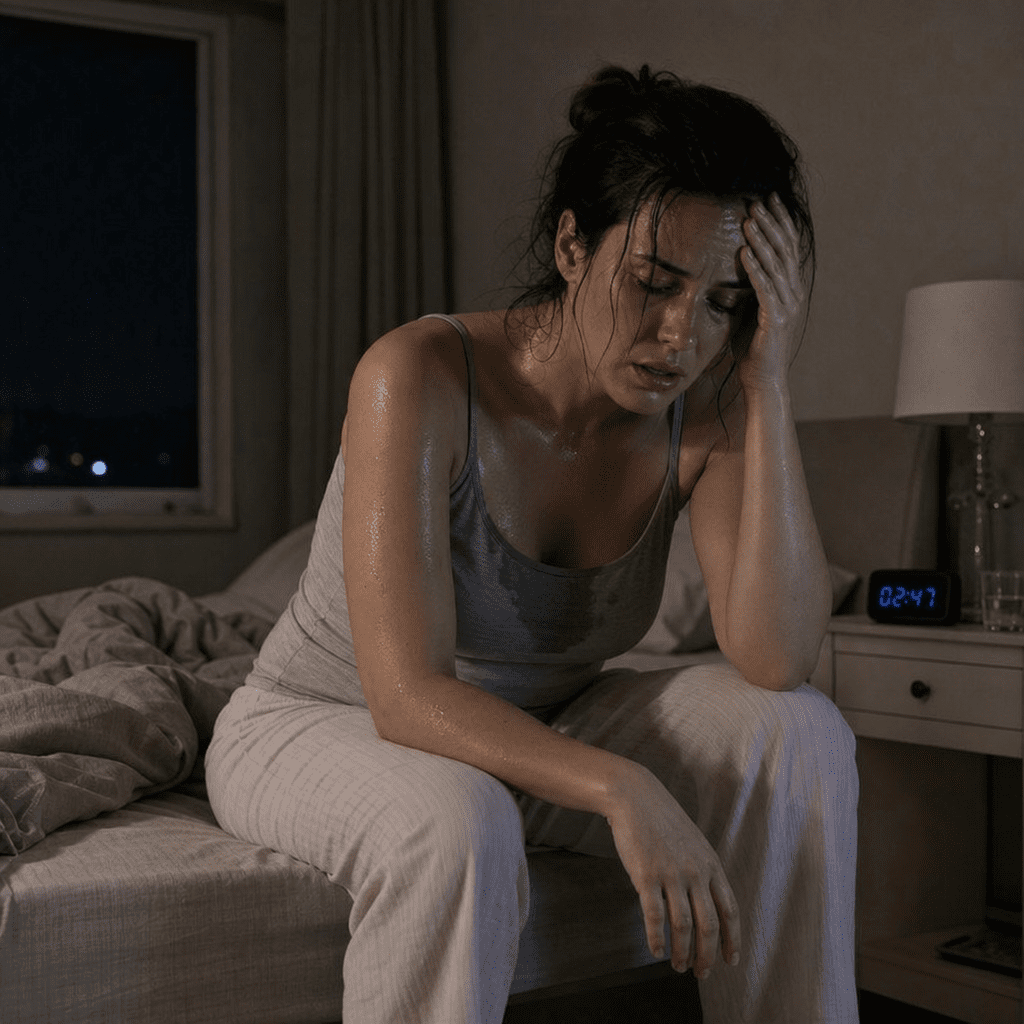
What exactly is night sweats?
Doctors refer to „night sweats“ when the body produces so much moisture during sleep that sleepwear and bedding need to be changed. This nocturnal sweating occurs regardless of the ambient temperature and often jarringly wakes those affected from their dreams.
The most common causes of heavy sweating during sleep
The triggers for night sweats are extremely diverse. They range from harmless habits to complex bodily processes. To get to the root of the problem, the causes can be broadly divided into three categories.
1. Sleep Environment and Lifestyle
Often, the reasons for a sleepless, sweaty night can be found directly in the bedroom or in evening behavior.
- Wrong textiles: A common mistake lies in the choice of bedding. In the duel Synthetics vs. Cotton in Bedding Natural fibers win hands down. Synthetic fabrics trap heat and don't allow moisture to escape. Breathable sleepwear made from natural materials whereas materials like linen, merino wool, or organic cotton ensure an optimal microclimate.
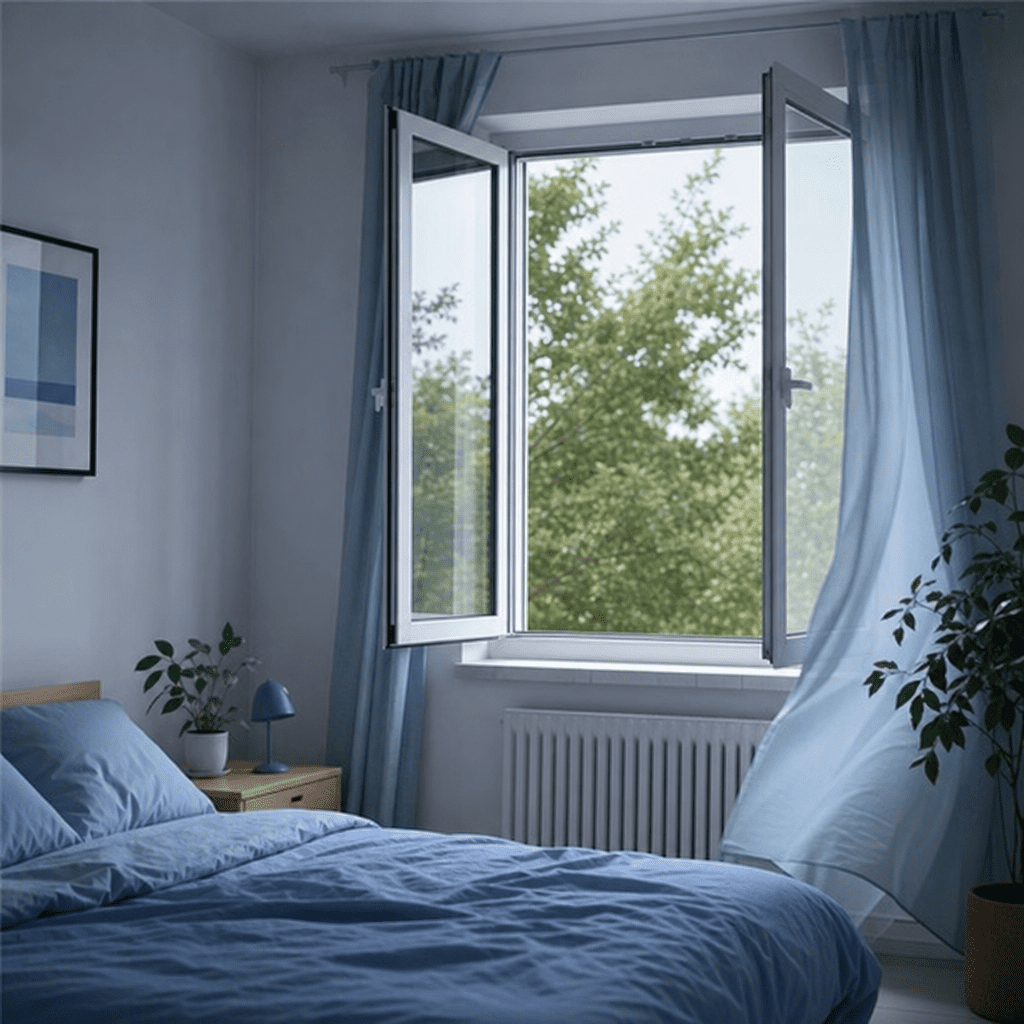
- The indoor climate An overheated bedroom causes you to break out in a sweat. Valuable Tips for regulating bedroom temperature include regular airing out before going to bed, darkening the windows on hot days, and setting the heating to an ideal 16 to 18 degrees Celsius.
- Luxury goods: A glass of wine in the evening may help you fall asleep, but the Influence of alcohol consumption on thermoregulation on the body is immense. Alcohol dilates the blood vessels, leading to a sudden feeling of warmth and heavy sweating during the second half of the night. Spicy foods or late, heavy meals also unintentionally boost the metabolism.
2. Hormones and Physical Changes
Our endocrine system is a delicate mechanism that plays a key role in regulating our body temperature. If fluctuations occur, the body often reacts with night sweats.
- Menopause In women, Hormonal changes during menopause This is perhaps one of the most well-known causes. The drop in estrogen levels mistakenly signals the brain that it's overheating, leading to drastic hot flashes, which occur particularly at night.
- Thyroid gland Our „metabolism central“ can also be to blame. It is important to Recognizing the Symptoms of Hyperthyroidism In addition to weight loss, inner restlessness, and rapid heartbeat, severe night sweats are also among the leading symptoms of this condition.
- Infections: Sometimes the body simply fights against invaders. For doctors, the Difference Between an Infection and Hormonal Fluctuations diagnostically very important. While hormones cause chronic, long-lasting hot flashes, night sweats during the flu or a cold usually appear acutely and disappear as soon as the immune system defeats the virus.
3. Psyche and Medication
The body and mind are inextricably linked. When the soul burns, the body begins to sweat.
- Stress and Anxiety: When we're under pressure, our brains also work overtime at night. A strong Psychological stress and the autonomic nervous system are mutually dependent. Stress hormones such as cortisol and adrenaline are released, causing the heart rate to increase and activating the sweat glands—you wake up, quite literally, „drenched in cold sweat.“.
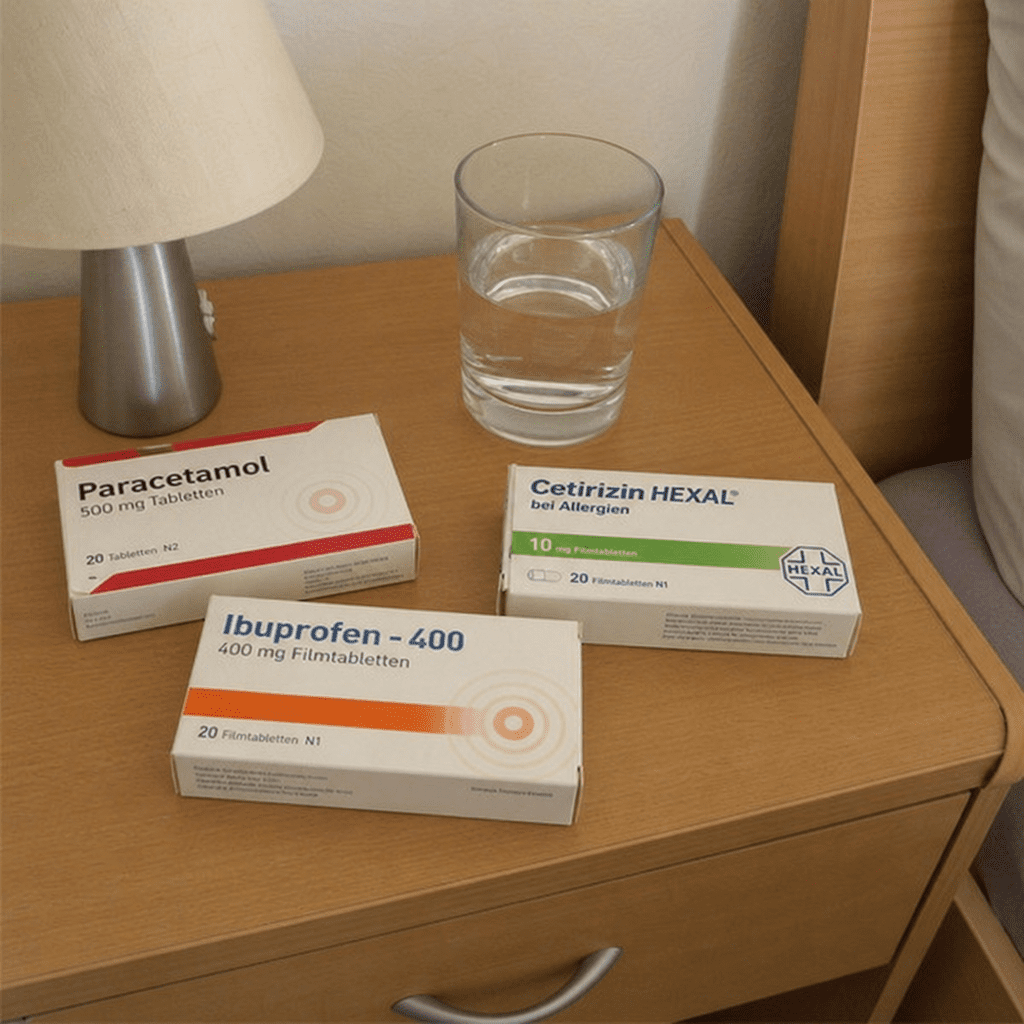
- Medication An often underestimated factor is the Side effects of medications on sweat production. In particular, antidepressants, fever-reducing medications (such as acetaminophen), asthma medications, and blood pressure medications can cause night sweats as a side effect.
Medical warning signs: When is night sweats dangerous?
In most cases, night sweats can be managed with small adjustments to your daily routine. However, there are situations where you should be on the lookout. When is night sweats dangerous?
An absolute warning sign in medicine is the so-called B symptoms in inflammatory diseases or even malignant tumors (like lymphomas). B symptoms include three closely related symptoms:
- Heavy, unexplained night sweats (pajamas need to be changed)
- Unexplained, persistent fever (over 100.4°F)
- Unintentional, significant weight loss (more than 10 % of body weight within 6 months)
If you experience these symptoms, or if the sweating persists for weeks and severely impacts your quality of life, you should consult a Clarification of night sweats with the doctor urgently recommended. General practitioners can rule out serious autoimmune diseases, chronic infections (such as tuberculosis), or neurological disorders through a thorough medical history, blood tests, and ultrasound examinations.
What really helps? Practical tips and home remedies
If a doctor confirms that there is no serious illness, you can take action yourself to have dry and restful nights again.
- Optimizing the Evening Routine: Avoid alcohol, nicotine, and caffeinated beverages at least three to four hours before bedtime. Heavy meals should also be avoided in the evening.
- Herbal Power: There are excellent Home remedies for calming down before bed, which simultaneously inhibit sweat production. Sage tea is the absolute insider tip for hyperhidrosis. Drink one to two cups of cooled sage tea in the evening. Calming teas with valerian, lemon balm, or hops also slow down the autonomic nervous system and promote restful sleep.
- Lukewarm shower Don't jump into an ice-cold shower before sleeping; instead, take a lukewarm one. Ice-cold water constricts your pores, preventing body heat from escaping – a subsequent sweat attack is almost guaranteed.
- Stress Management Learn relaxation techniques. Autogenic training, progressive muscle relaxation, or gentle yoga in the evening help to release the day's stress and lower cortisol levels.
- Quilted Bedding Use multiple thin blankets instead of one thick winter blanket. This allows you to flexibly remove a layer at night during a sudden heatwave without immediately freezing.

Conclusion: Take your body seriously
Night sweats are an unpleasant phenomenon that literally robs us of our well-deserved sleep. The reasons for this are multifaceted, ranging from the wrong duvet and an evening glass of wine to hormonal imbalances or emotional stress.
By optimizing your sleep environment, choosing breathable materials, and calming down before falling asleep, you can often significantly reduce bothersome sweating. Don't forget, however: If night sweats become chronic, are accompanied by fever or weight loss, don't hesitate to seek medical advice. Restful, dry sleep is the foundation for your health and daytime performance!
