
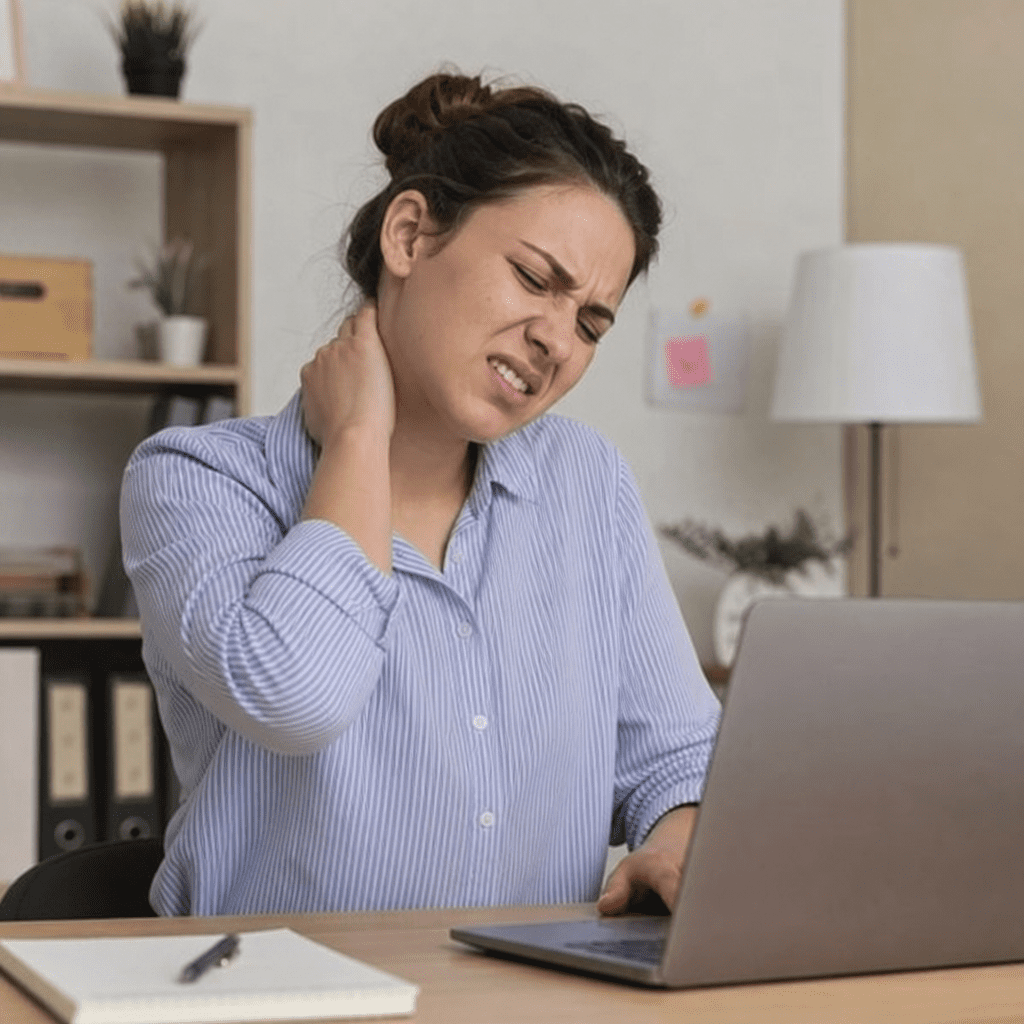
A wrong sleeping position at night, a too-long shift in front of the computer monitor, or a sudden cold draft – and it’s there: a stiff neck. Almost everyone suffers from acute or chronic neck pain at least once in their life. It not only severely restricts mobility, but also robs us of concentration and energy for everyday life. It often begins with a slight pulling sensation that can quickly develop into a throbbing pain that extends into the shoulders or head.
But you don't have to simply accept this unpleasant discomfort. In this comprehensive guide, you'll learn everything about the causes, get valuable immediate measures, and discover how to make your everyday life more neck-friendly.
Understanding the Basics: The Function of Neck Muscles
To understand why the neck area is so prone to discomfort, we need to take a brief look at the anatomy. The Function of the neck muscles This is a biomechanical masterpiece: It has to balance, turn, and tilt our head, which weighs between 4 and 6 kilograms in an adult human, all day long.
A complex interplay of cervical vertebrae, intervertebral discs, ligaments, and muscles (such as the trapezius or levator scapulae) provides the necessary stability and flexibility. However, as soon as we tilt our head unfavorably or remain in a rigid position for a long time, these muscles have to do heavy work. The result: they stiffen, blood circulation decreases, and metabolic waste products accumulate in the tissue. A pain signal is sent to the brain.
Neck Pain Causes: Where Does the Constant Pulling Come From?
The list of Neck pain causes is long and often several factors play a role. Serious injury is rarely the cause; it's usually our modern lifestyle habits that strain the cervical spine (C-spine).
Modern daily life as the main suspect
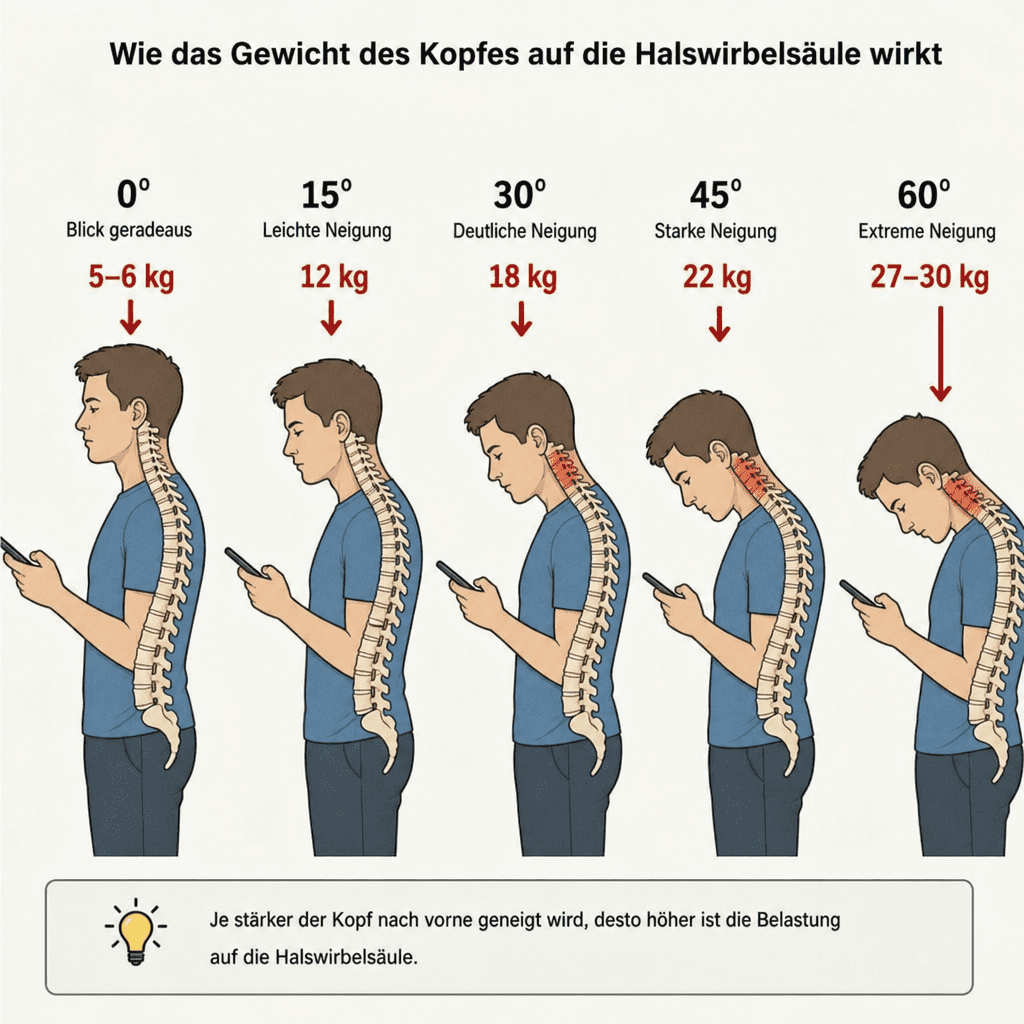
We spend countless hours sitting each day. When our gaze is fixed on a screen for hours, it almost inevitably leads to problems. To avoid this, it is essential to have a Correcting poor posture at the desk to be able to. When we sit with our shoulders hunched forward and our chin jutting out (the so-called „turtle neck“), the weight our neck muscles have to hold is multiplied.
Even more serious is the constant glance at the smartphone. If we tilt our heads 45 degrees down, forces of up to 20 kilograms act on our cervical spine. If we don't take preventative measures here and Preventing smartphone neck symptoms risks chronic degenerative changes, muscle shortening, and long-term pain conditions.
Stress and the mind
Have you ever noticed how you unconsciously raise your shoulders when you're stressed at the office? The saying „fear sits in his neck“ isn't just a saying for nothing. Psychological stress leads to increased muscle tone. To this Relieve stress-related muscle stiffness To achieve this, a purely physical treatment is often not enough. In such cases, relaxation techniques and active stress management must go hand in hand with physical measures.
HWS syndrome and radiating pain
When the symptoms become chronic, doctors often refer to it as cervical spine syndrome. Typical HWS syndrome symptoms These symptoms are not limited to localized pain. Those affected often report dizziness, ringing in the ears, vision problems, or a tingling sensation that radiates down to the fingers.
A common question in practices is: Why does pain radiate to the back of the head? The explanation lies in the nerve pathways. The greater occipital nerves run directly through the deep neck muscles. If these muscles are extremely tense and hardened, they essentially pinch or irritate the nerve. The result is a dull, pulling tension headache that can travel from the neck over the back of the head to the forehead.
First Aid: What really helps with neck tension?
When pain strikes, you need quick—and above all, effective—solutions. But What Helps with Neck Tension? best?
The Temperature Check: Heat or Cold?
Many people affected by this are unsure: Heat or cold for stiffness And pain? The rule of thumb is quite simple:
- Heat This is the treatment of choice for classic muscle tension without inflammation. A cherry pit pillow, a red light lamp, or a hot bath can help improve blood circulation. The blood vessels dilate, muscle metabolism is stimulated, and the tension can be relieved.
- Cold It is more likely to be used when there is an acute inflammatory process (e.g., after a whiplash injury, acute nerve irritation, or a sports accident). Ice packs then relieve the acute, stabbing pain and reduce swelling.
Gently release acute blockages
You wake up and can't turn your head even a centimeter? Anyone who has a How to Relieve an Acute Neck Stiffness on Your Own should absolutely not make sudden movements or try to have their neck „popped.“ Instead, do the following:
- Apply heat Place a warm grain pillow on the affected area for 15-20 minutes.
- Gentle mobilization Move your head within the pain-free range. If turning to the right causes pain, turn your head only a few millimeters in that direction while exhaling deeply.
- Isometric Relaxation: Place your flat palm on your forehead. Now gently(!) press your head against your hand without any actual movement. Hold the pressure for five seconds and release. Repeat this on your temples and the back of your head. This signals the muscles to release tension after tensing.
Prevention & Ergonomics: Making Everyday Life Neck-Friendly
The best way to treat neck pain is to prevent it from happening in the first place. A few small adjustments in your daily routine can work wonders.
A good bed is half the victory.
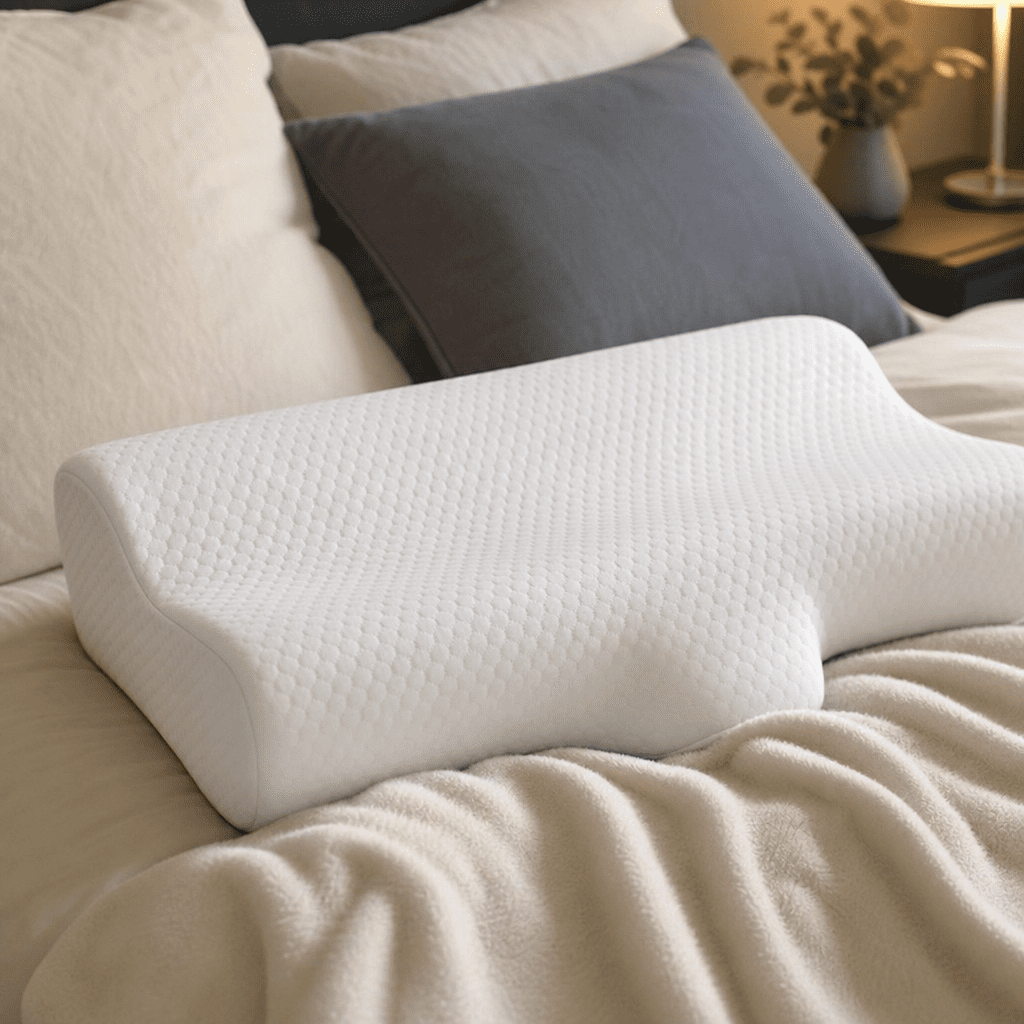
About a third of our lives is spent in bed. When your neck hurts in the morning, the pillow is often to blame. When deciding „Orthopedic Pillow vs. Regular Pillow“there is a clear winner for those suffering from pain. A normal down pillow loses its shape during the night. The head bends, and the cervical spine is overstretched or compressed.
An anatomically shaped Neck support pillow In contrast, (mostly made of memory foam or latex) adapts to the natural S-curve of the cervical spine. It fills the gap between the mattress and the neck precisely, ensuring that the spine forms a straight line from the pelvis to the head – regardless of whether you sleep on your back or your side.
The ergonomic workstation
Whether in the office or working from home: Actively search for Workplace Ergonomics Tips, to permanently banish neck pain. Pay attention to the following points:
- Screen height: The top edge of your monitor should be at about eye level. This way, your gaze will be slightly downward, which relieves strain on your neck.
- Keyboard and mouse: These should be close to the body so you don't have to stretch your arms unnaturally.
- Dynamic Sitting Change your sitting position frequently. If possible, work standing up occasionally.
- Breaks: Use the 50-10 rule. After 50 minutes of work, take a 10-minute break to stand up, walk around, and stretch.
Get Active: Exercises for a Stiff Neck
Rest and taking it easy are the wrong approach for neck pain. The muscles need movement to promote blood circulation and remain supple. Regularly incorporate targeted Exercises for a stiff neck into your daily routine.
Stretching exercises for a flexible cervical spine
Gentle Neck stretches takes the pressure off the intervertebral discs and relaxes the shortened muscle structures.
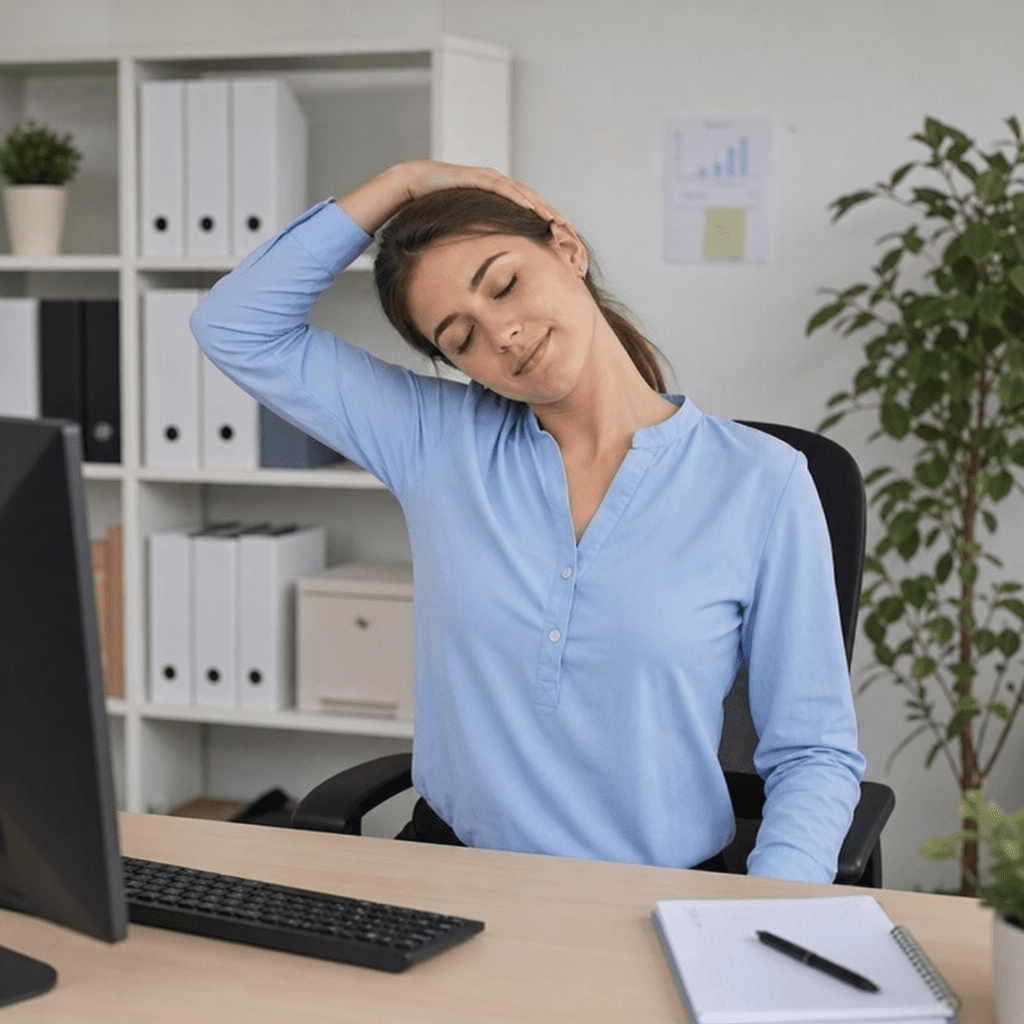
- The neck-puller Sit up straight. Reach your right hand over your head to your left temple. Gently pull your head towards your right shoulder until you feel a stretch on the left side of your neck. Actively pull your left shoulder down towards the floor. Hold for 30 seconds, breathing calmly, then switch sides.
- The double chin: Sit or stand upright. Now push your chin horizontally back as if making a double chin (keep your gaze straight ahead). You will feel a pull in the upper neck area. Hold for 5 seconds, release, and repeat 10 times.
- Shoulder circles Pull both shoulders up towards your ears, roll them back, and then let them drop loosely. This loosens the trapezius muscle.
Self-treatment massage
An excellent method for self-help is the targeted treatment of trigger points. These rock-hard, pressure-sensitive muscle knots often radiate pain over a large area.
Here is a short Trigger Point Massage Guide Shoulder for home:
- With the index and middle fingers of your opposite hand, palpate the painful muscle band at the junction between your neck and shoulder.
- Find the point that reacts most sensitively (the trigger point).
- Now press firmly on this spot with moderate to strong pressure. The pain should be uncomfortable, but not unbearable.
- Maintain the pressure for 30 to 60 seconds. You will notice the pain under your finger slowly „melting“ and receding.
- Alternatively, you can stand with your back against the wall and place a tennis ball or fascia ball between your shoulder blade/neck and the wall. Roll the ball over the hardened area by doing shallow squats.
When to see a professional? Physiotherapy and medical diagnosis
While most neck complaints can be managed with the home remedies, stretches, and ergonomic adjustments mentioned above, professional help is unavoidable in some cases.
See a doctor if the pain occurs after an accident (like a car accident), is accompanied by numbness in the arms, fever, unexplained weight loss, or severe headaches.
For persistent chronic pain, the doctor usually prescribes targeted physiotherapeutic measures for cervical spine complaints. A physical therapist can release joint blockages through manual therapy, loosen adhered tissue with targeted fascia techniques, and put together a customized strengthening program for you. This is often combined with heat therapy (such as Fango packs) to optimally prepare the tissue for treatment. Professional training of the deep neck flexors is the best long-term protection against recurrence.
Conclusion: Free yourself from pain
Neck pain is annoying, but you're not helpless against it. By identifying the causes in your daily life, paying attention to an upright posture, and using ergonomic aids like a neck support pillow, you lay the foundation for a relaxed neck. Combine this with regular exercise, targeted stretching, and clever stress management. Your body will thank you – with more ease, freedom of movement, and energy for the important things in life. Don't wait until the pain becomes chronic, but take action today!
