
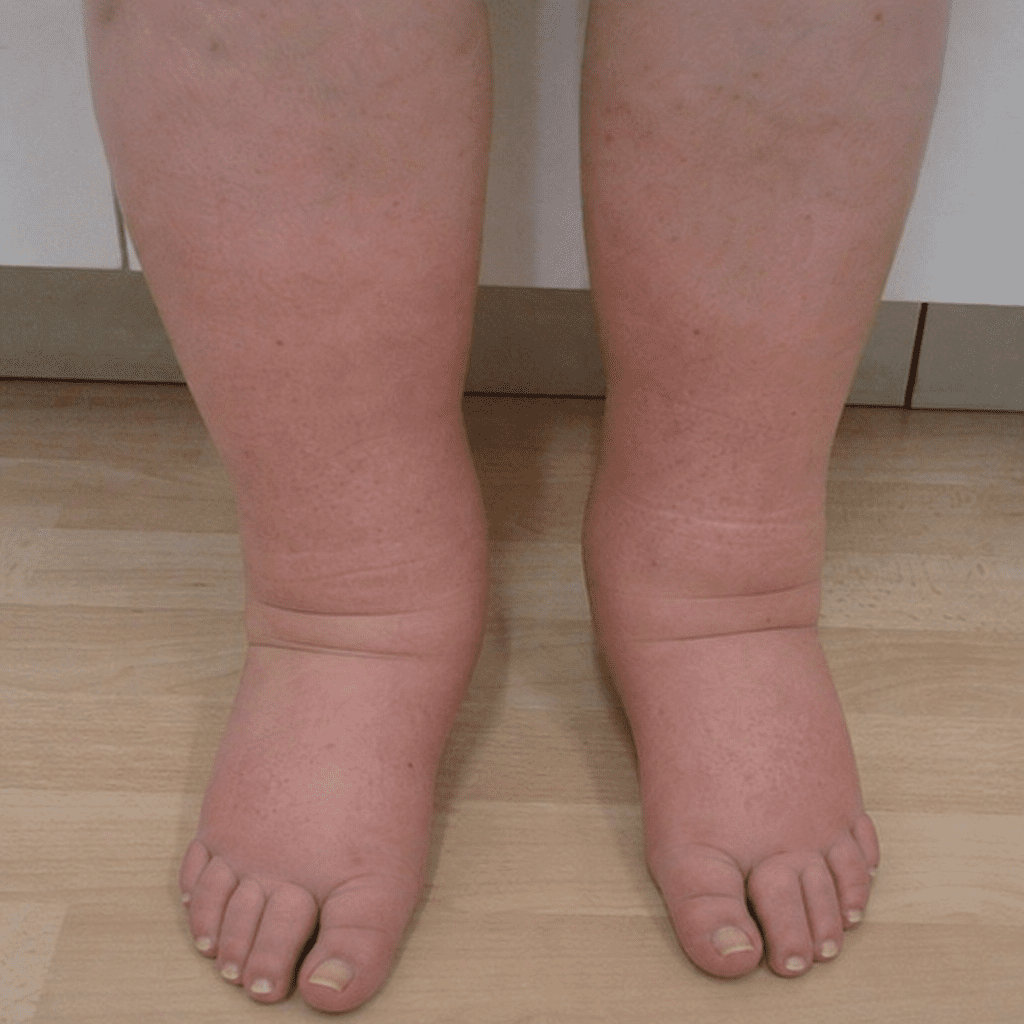
Have you recently experienced swollen legs more often, do your shoes feel tight in the evening, or do you feel unusually short of breath after only light physical exertion? Very often, a fluid buildup in the tissues, medically known as edema, is the cause of these diffuse symptoms. A tried-and-tested, well-researched remedy for rapid relief of these symptoms is the medication Torsemide. This medication belongs to the active substance class known as loop diuretics - commonly referred to as „water pills.“ It helps the body to quickly and effectively excrete excess fluid through the kidneys.
In this comprehensive guide, you'll learn everything you need to know about this essential active ingredient. We'll explore its exact mechanism of action and discuss possible Torasemide Side Effects and give you valuable, immediately applicable tips for a safe everyday life with your medication therapy.

Torasemide is a diuretic medication that works by increasing the amount of salt and water your body excretes. It belongs to a class of drugs called loop diuretics, which act on the loop of Henle in the kidneys to inhibit the reabsorption of sodium and chloride. This leads to increased urine production, which helps to reduce fluid buildup in the body. What makes Torasemide special is its longer duration of action compared to some other loop diuretics, such as furosemide. This means it can be taken once a day, which can improve patient compliance. Additionally, Torasemide has shown to be effective in treating a variety of conditions, including: * **Edema:** Fluid retention in conditions like heart failure, kidney disease, and liver disease. * **Hypertension:** High blood pressure, often used in combination with other blood pressure medications. * **Kidney disease:** Helping to manage fluid balance in patients with chronic kidney disease. While other loop diuretics exist, Torasemide's longer half-life and once-daily dosing are key factors that set it apart, often making it a preferred choice for managing certain chronic conditions.
Torsemide is a potent loop diuretic. Its primary function is to stimulate the kidneys to excrete more water and essential salts—particularly sodium and chloride—through urine. When medical professionals discuss this in international professional publications, Benefits of oral loop diuretics include: * **Reducing fluid buildup (edema):** They are very effective at removing excess fluid from the body, which can help alleviate swelling in the legs, ankles, feet, and abdomen. This is particularly useful for conditions like heart failure, kidney disease, and liver disease. * **Lowering blood pressure:** By reducing the amount of fluid in the bloodstream, loop diuretics can help lower blood pressure, making them a valuable treatment for hypertension. * **Relieving shortness of breath:** When fluid builds up in the lungs, it can cause difficulty breathing. Loop diuretics can help clear this fluid, making it easier to breathe. * **Managing certain kidney conditions:** They can be used to help manage conditions like nephrotic syndrome, where the kidneys leak protein into the urine, leading to fluid retention. * **Preventing electrolyte imbalances in some cases:** While loop diuretics can cause electrolyte imbalances, in certain situations they can help manage conditions where there's an excess of certain electrolytes. It's important to note that while loop diuretics offer significant benefits, they also have potential side effects and require careful monitoring by a healthcare professional. (the advantages of oral loop diuretics), they generally emphasize the extremely rapid, reliable, and predictable effect that massively relieves the entire circulatory system.
An important aspect of medication therapy planning is the Loop diuretics are more potent than thiazide diuretics. They work by inhibiting the sodium-potassium-2-chloride cotransporter in the thick ascending limb of the loop of Henle. Thiazide diuretics inhibit the sodium-chloride cotransporter in the distal convoluted tubule.. While so-called thiazide diuretics (another class of water pills) have a gentler effect and are primarily used today for long-term blood pressure reduction, loop diuretics such as torasemide are significantly more potent. They act directly on a highly specific part of the kidney – the so-called loop of Henle – and are therefore excellent for rapidly flushing out large, acutely life-threatening amounts of water from the body.
Areas of application: When is this diuretic used?
The active ingredient is prescribed for a variety of serious conditions where fluid accumulates in the body and obstructs vital organ functions. The primary areas of use include:
- Heart failure (cardiac insufficiency): When the heart muscle can no longer pump strongly enough, blood backs up before the heart. As a result, fluid is forced into the surrounding tissue. Torasemide is an absolutely indispensable component here Congestive heart failure symptom management. By reducing the total blood volume, the weakened heart has to overcome less resistance.
- Water in the lungs (pulmonary edema): Fluid buildup in the lungs causes a feeling of tightness and acute shortness of breath. Due to Improving breathing by reducing lung fluid The medication ensures that the alveoli can function freely again and patients can quickly breathe deeply again.
- Kidney diseases: When the kidneys themselves are not functioning properly, massive water retention also occurs. In these cases, the medication serves as a proven Treatment for chronic kidney disease swelling.
- Generalized systemic edema: The general and overarching goal of drug therapy is almost always Reducing systemic edema and fluid retention, the noticeable reduction of water retention throughout the body, to relieve the organism.
Correct Administration: Dosage and Optimal Timing
Your doctor will always determine the dosage individually based on the severity of your illness and your kidney function. A very common starting or maintenance prescription for chronic conditions is often for torasemide 10 mg once a day. In acute hospital cases, however, the dose can be significantly higher.
A very common topic among first-time users is: The best time to take diuretics depends on the specific diuretic prescribed and your doctor's recommendations. However, generally speaking, taking diuretics in the morning is often advised. This is because diuretics increase urine production, and taking them earlier in the day can help minimize nighttime awakenings due to the need to urinate. For some individuals, a divided dose might be prescribed, with one dose in the morning and another in the afternoon. Your doctor will consider your individual needs and the type of diuretic when determining the optimal timing for your medication. (When is the best time to take diuretic tablets?). Experts generally agree: Take the tablet in the morning with breakfast, along with some liquid. Taking them in the late afternoon or even in the evening will inevitably lead to a strong urge to urinate at night, which will significantly disrupt your well-deserved night’s rest.
In practical everyday life, this strict morning intake also helps extremely well with Managing swelling in legs and ankles. Since the strongest diuretic effect occurs during the daytime hours when you are upright on your feet, it precisely prevents water from accumulating in the ankles and lower legs due to gravity.
Torasemide compared to other loop diuretics
In cardiology, doctors have various active ingredients at their disposal. For example, among specialists, the Furosemide vs. Bumetanide Potency (the potency of furosemide compared to the extremely potent bumetanide) is discussed. Where does torsemide fit into this equation?
Torsemide is considered a modern, superior loop diuretic. Compared to the classic furosemide, it has significantly more consistent bioavailability (it is more reliably absorbed by the gastrointestinal tract) and a longer duration of action. For the patient, this means that the diuretic effect is more evenly distributed throughout the day, and they are less likely to be surprised by a sudden, uncontrollable urge to urinate.
Possible Risks and Side Effects of Torasemide
Like any potent prescription medication, this product can cause unwanted side effects. The most common Torasemide Side Effects are directly related to its intended primary function—the radical excretion of fluids and salts:
- Fluid deficiency (dehydration): Headaches, dizziness, dry mouth, or confusion can occur in older people.
- Electrolyte imbalances Weil nicht nur Wasser, sondern auch wichtige Mineralien weggespült werden, sollten Sie penibel auf signs of electrolyte imbalance during treatment achten. Warnsignale sind hierbei schmerzhafte Muskelkrämpfe (insbesondere nächtliche Wadenkrämpfe), extreme muskuläre Müdigkeit, Zittern oder auch spürbares Herzstolpern.
- Blutdruckabfall: Durch das schnell verringerte Flüssigkeitsvolumen in den Blutgefäßen kann der Blutdruck absacken, was zu Schwindel beim Aufstehen führt.
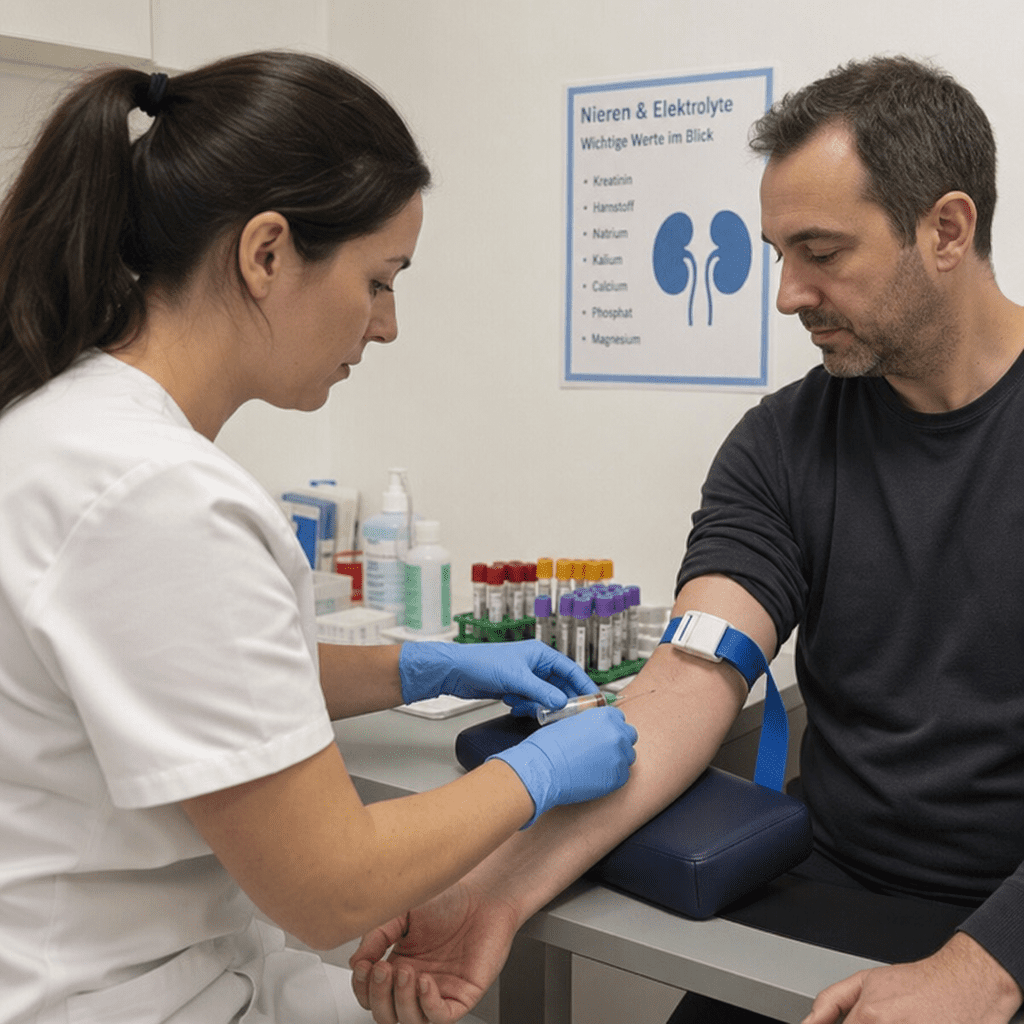
Zudem dürfen die long-term effects of diuretic therapy (Langzeiteffekte der Diuretika-Therapie) nicht ignoriert werden. Bei jahrelanger Einnahme kann es zu einer Erhöhung der Harnsäurewerte (Gefahr von akuten Gichtanfällen) oder zu leichten Blutzuckerschwankungen kommen. Regelmäßige ärztliche Blutkontrollen sind daher absolute Pflicht.
Praktische Tipps: So meistern Sie den Alltag mit Wassertabletten
Damit Ihre Therapie nicht nur sicher, sondern auch im Alltag angenehm verläuft, können Sie selbst aktiv mitwirken. Hier sind die wertvollsten Ratschläge:
1. Den Kaliumspiegel stets im Blick behalten
Ein wesentliches Element einer sicheren Therapie ist das monitoring potassium levels during treatment. Da Wassertabletten viel Kalium aus dem Körper schwemmen, wird Ihr Arzt diesen Wert in festgelegten Intervallen überprüfen. Sie können nach ärztlicher Rücksprache mit kaliumreichen Lebensmitteln wie Bananen, Aprikosen, Spinat oder Kartoffeln sanft gegensteuern.
2. Die Ernährung klug anpassen
Patienten fragen häufig, ob es foods to avoid while on water pills gibt. Die Antwort lautet: Ja, definitiv. Sie sollten extrem salzhaltige Lebensmittel (wie stark verarbeitete Fertigprodukte, gepökelte Wurstwaren oder Fast Food) meiden. Salz bindet Wasser im Gewebe und sabotiert somit die Wirkung Ihres Medikaments. Auch der übermäßige Konsum von echtem Lakritz sollte vermieden werden, da dies den Blutdruck steigern und den Kaliumspiegel gefährlich senken kann.
3. Achtung vor Wechselwirkungen
Wenn Sie wegen vielfältiger Herz-Kreislauf-Erkrankungen behandelt werden, sind drug interactions with cardiovascular therapy ein hochaktuelles Thema. Torasemid kann beispielsweise die Wirkung von Blutdrucksenkern (etwa ACE-Hemmern) so stark verstärken, dass es zu einem unerwarteten Ohnmachtsanfall kommt. Andererseits können freiverkäufliche Schmerzmittel aus der Apotheke (wie Ibuprofen oder Diclofenac) die entwässernde Wirkung von Torasemid dramatisch abschwächen und die Nieren belasten. Klären Sie jede neue Tablette mit Ihrem Apotheker ab.
4. Nebenwirkungen selbst managen
Wer nach praktischen Ratschlägen sucht oder sich fragt how to manage diuretic side effects at home, findet hier einfache Alltagsstrategien:
- Gegen den Schwindel: Stehen Sie morgens langsam aus dem Bett auf. Setzen Sie sich zuerst für eine Minute auf die Bettkante, bevor Sie sich erheben, um den Blutdruck stabilisieren zu lassen.
- Die richtige Trinkmenge: Trinken Sie ausreichend, um den Durst zu stillen, aber übertreiben Sie es nicht blind. Ihr Arzt wird Ihnen eine optimale, individuelle tägliche Trinkmenge vorgeben (meist etwa 1,5 bis 2 Liter), damit Sie nicht das gerade mühsam ausgeschiedene Wasser sofort wieder auffüllen und Ihr Herz erneut belasten.
- Intensive Hautpflege: Die gesteigerte Wasserausscheidung kann die Haut austrocknen. Nutzen Sie nach dem Duschen reichhaltige, feuchtigkeitsspendende Bodylotions.
Fazit: Die Lebensqualität spürbar zurückgewinnen
Torasemid ist ein absolut essenzielles und lebensrettendes Medikament für Menschen, die täglich mit Herz-, Nieren- oder Lungenproblemen und den daraus resultierenden belastenden Wassereinlagerungen kämpfen. Egal ob es als tägliche Torasemid 10 mg Dosis zur schonenden Entlastung eingesetzt wird oder vorübergehend in höheren Mengen verschrieben wird – es bringt Betroffenen ein enormes Stück Lebensqualität zurück. Die Beine schwellen ab, das Atmen fällt spürbar leichter und das überbeanspruchte Herz muss deutlich weniger schwer arbeiten.
Nehmen Sie jedoch auftretende Torasemide Side Effects immer ernst, kommunizieren Sie offen mit Ihrem behandelnden Kardiologen oder Hausarzt und halten Sie sich konsequent an Ihre Termine zur Blutabnahme. Wenn Sie diese einfachen Grundregeln beachten, ist dieses moderne Diuretikum ein sicherer, hocheffektiver und verlässlicher Begleiter auf Ihrem Weg zu mehr Gesundheit und Wohlbefinden im Alltag.
Hinweis: Dieser Artikel dient ausschließlich allgemeinen Informationszwecken und ersetzt unter keinen Umständen eine individuelle medizinische Beratung. Konsultieren Sie bei gesundheitlichen Fragen, Unwohlsein oder geplanten Änderungen Ihrer Medikation stets Ihren Arzt oder Apotheker.
