
The diagnosis of dementia changes lives – not only for those directly affected but also for their entire family environment. It is a topic that has now deeply penetrated the heart of our society. The emotional and painful nature of this turning point is also evident in culture: For example, the fact that the well-known songwriter Reinhard Mey has addressed dementia in his music in such a touching way speaks to the heart of many caring families and offers comfort.
But what exactly does the term mean medically? What steps are important after a diagnosis, and how can everyday life be made worth living for everyone involved? In this comprehensive guide, we answer the most important questions.

What happens in the brain? Causes and forms
Dementia is not a single disease, but rather an umbrella term for various conditions that involve a permanent loss of cognitive abilities. Neurodegenerative causes of memory loss plays the biggest role. In these diseases, nerve cells in the brain gradually die off.
To better understand the disease, it is important to understand the difference between Vascular vs. Degenerative Brain Diseases to know:
- Degenerative Brain Diseases This primarily includes Alzheimer's disease, which accounts for about 60 to 70 percent of all dementia cases and is the most common form. In this condition, harmful proteins (plaques) accumulate in the brain and destroy nerve cells.
- Vascular Dementia This form is triggered by circulatory disturbances in the brain, often as a result of unnoticed, small strokes (infarcts).
Typical Dementia Symptoms and Early Warning Signs
It is often not easy, Recognizing the early signs of memory loss to be able to, as they are very subtle at first. Many affected individuals skillfully cover up their lapses.
A key point for relatives is to Difference between Alzheimer's and age-related forgetfulness to comprehend. If a senior occasionally forgets where they put their house key, that's completely normal. However, if they are holding the key in their hand and no longer know what the item is used for, that is a clear warning sign.
Besides mere forgetfulness, Dementia symptoms in further developments, also motor and speech deficits. Often appear Symptoms of aphasia and apraxia. Aphasia describes the loss of language comprehension and production – affected individuals can no longer recall simple words. Apraxia manifests as the inability to motorically execute familiar, goal-directed actions (such as buttoning a shirt or making coffee), despite the absence of paralysis.
History and Diagnostics
The Stages of cognitive decline usually proceed in three phases: mild, moderate, and severe. While a largely independent life is still possible in the early stages, the need for assistance increases drastically as the condition progresses.
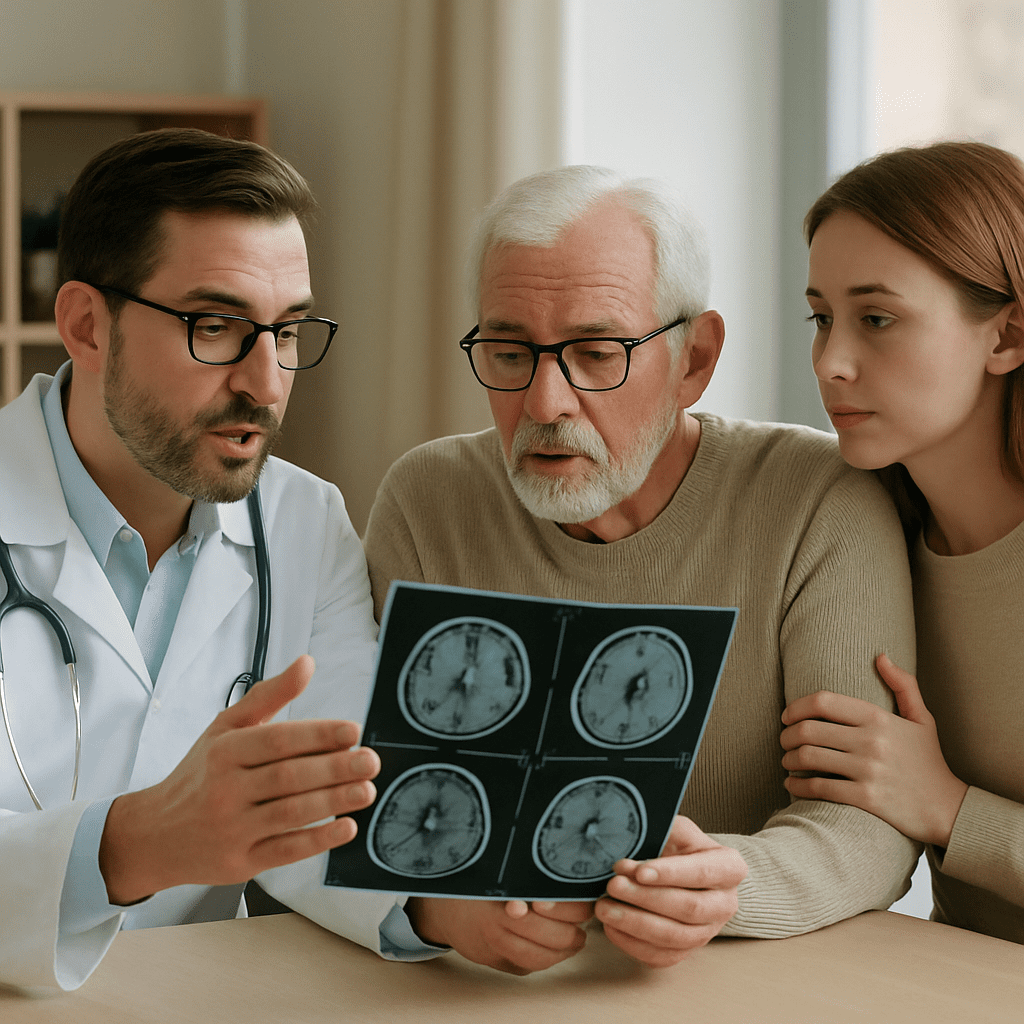
To have certainty and rule out treatable causes (such as vitamin deficiencies or thyroid diseases), comprehensive Medical diagnostic procedures for memory problems essential. These include comprehensive neuropsychological tests, blood tests, and imaging procedures such as an MRI or CT scan of the brain.
Prevention and Maintaining Independence
Even though most forms of dementia are currently incurable, their progression can often be positively influenced. Brain training for cognitive prevention in old age (like solving puzzles, learning a new language, or an instrument) helps build new neural connections in the brain, which serve as cognitive reserve.
Once the disease has been diagnosed, the focus shifts to maintaining remaining abilities. Here, the Occupational therapy to promote daily living skills firmly proven. Occupational therapists train seniors in everyday activities such as getting dressed or preparing meals to preserve their independence for as long as possible.
Tips for Everyday Life: Communication and Living Environment
Living with a person with dementia requires a lot of patience and empathy. Many families are desperately faced with the question: How do I communicate with confused relatives?
- Stay on eye level: Speak slowly, in short, clear sentences.
- No discussions: Avoid correcting the person affected. If the mother asks when her (already deceased) husband will come home, steer the conversation to the emotional level („You miss him very much, don't you?“).
- Using body language: A gentle touch or a friendly smile often conveys more security than many words.
Furthermore, it requires the Managing Challenging Behavior in Seniors – such as sudden aggression, restlessness, or tendencies to run away – requires a lot of composure. Often, undiscovered pain, sensory overload, or an unmet need (like thirst or the urge to move) are behind this behavior.
Adjust the environment
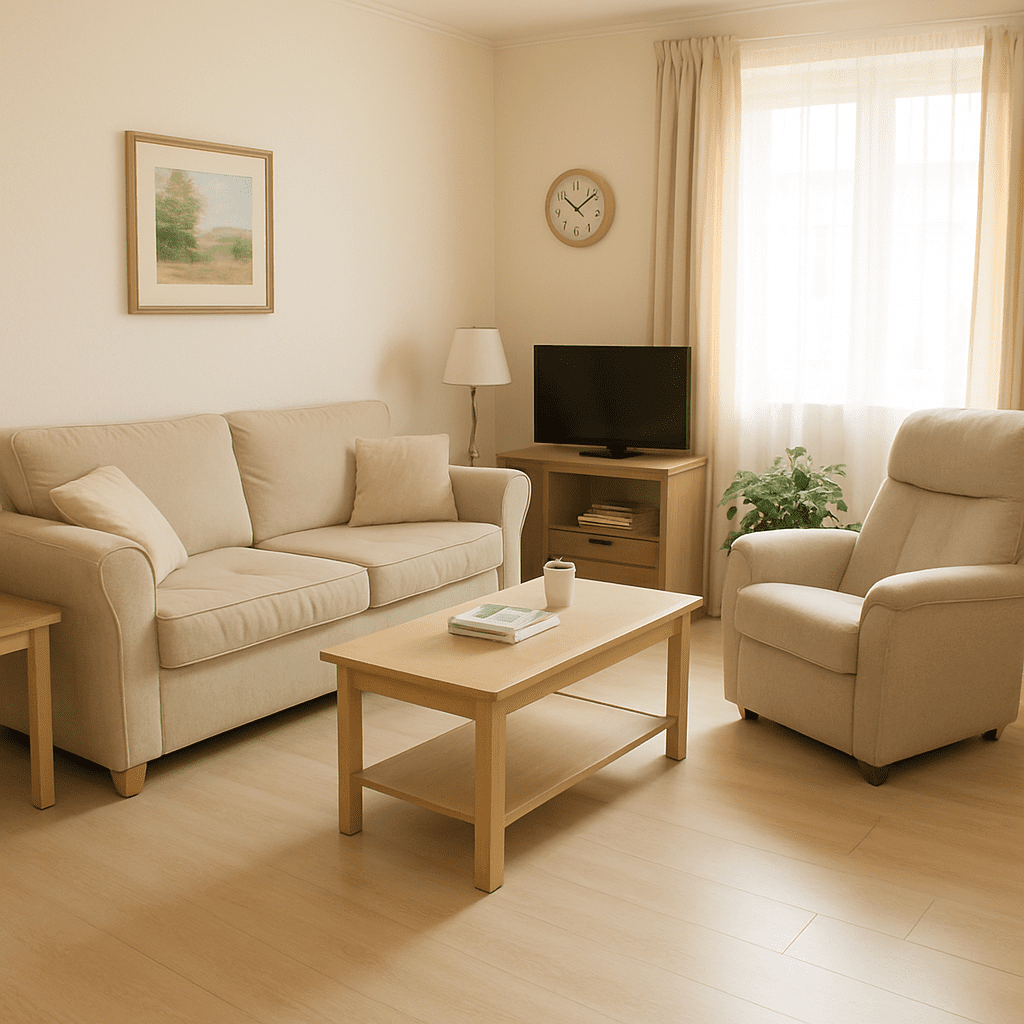
To prevent accidents, targeted Home adaptation for people with disorientation enormously important:
- Remove tripping hazards like loose carpets.
- Ensure bright, glare-free lighting.
- Apply color markings (e.g., a colored toilet seat as a contrast to white tiles).
- Secure dangerous items or cleaning supplies.
Take legal and financial steps in a timely manner
In addition to medical and nursing care, the bureaucratic aspect must not be forgotten. As long as the person concerned is still legally competent, it is essential to have a Advance Healthcare Directive and Living Will for Seniors to be drawn up. These documents regulate who can make financial and health decisions in an emergency.
Just as important is to provide early Apply for nursing care benefit for intellectual disability to want. Even if everything still seems physically intact, limited everyday competence is strongly taken into account in the care assessment (MDK) nowadays.
A recognized care level opens the door to valuable Financial support for family caregivers. This includes the care allowance, the monthly relief amount (for example, for domestic help), grants for the aforementioned home modifications, and funds for emergency care so that family caregivers can also take a break.
Conclusion
Dementia is undoubtedly a diagnosis that can shake the foundation of a family. However, with the right knowledge about the disease, targeted medical and therapeutic support, and an adapted communication style, the quality of life for those affected can be maintained for a long time. Do not hesitate to seek professional and financial assistance early on. No one has to walk this path alone – get the support that you and your loved one deserve.
