
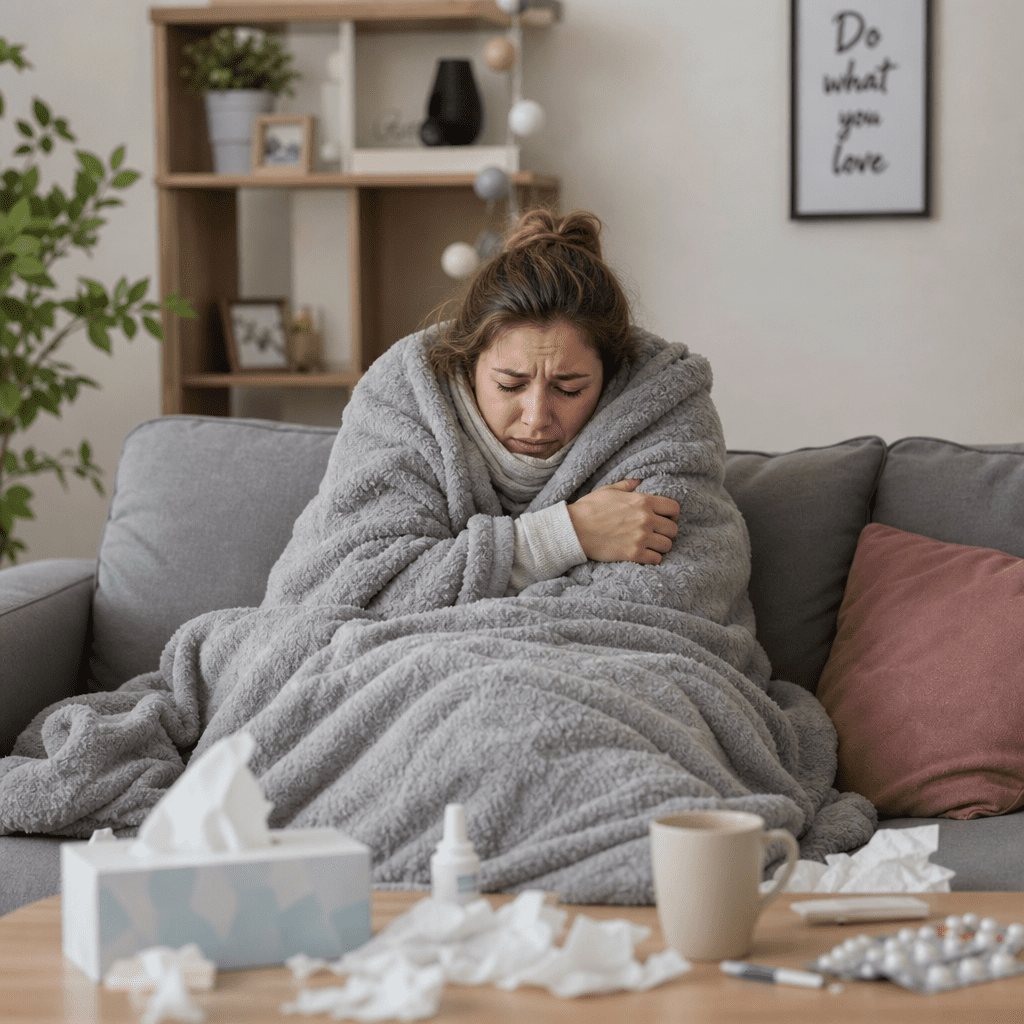
Suddenly, an icy cold creeps up the spine, teeth begin to chatter uncontrollably, and even the thickest woolen blanket doesn't seem to warm you anymore. Anyone who has experienced severe chills knows how unpleasant, exhausting, and sometimes frightening this condition can be.
But what exactly happens in our body when we involuntarily start to tremble? In most cases, this phenomenon is not a cause for panic, but a brilliant protective mechanism of our body in the fight against pathogens. This article sheds light on the medical background, provides practical tips for relief, and explains when a doctor's visit is essential.
When and why do chills occur?
To understand the phenomenon, we need to take a brief look at our brain. More specifically, at the hypothalamus, which acts as our internal thermostat. If viruses or bacteria enter the body, the immune system releases certain messenger substances (pyrogens). These travel to the brain and signal: „Attention, we need more heat to kill the invaders!“
The hypothalamus then raises the setpoint for body temperature. Conversely, for our body, this means it suddenly feels „too cold“ because the current actual temperature is below the new setpoint. To quickly compensate for this difference and Regulate body temperature To be able to, the organism resorts to a drastic measure: it generates rapid Muscle contractions due to cold sensation.
The uncontrolled trembling of the musculature produces massive thermal energy, which heats us from the inside out. Thus, the strenuous shaking ultimately helps to Stabilize the body's heat balance to be able to, until the saving fever is reached.
The most common causes of sudden trembling
The Causes of sudden trembling are varied. Very often, it occurs as a classic Accompanying symptom of high fever on. It is often crucial for later medical treatment to Difference between viral and bacterial infections to know:
- Viral infections With the flu (influenza) or severe colds, chills often occur very suddenly and signal the onset of illness.
- Bacterial infections Pneumonia, pyelonephritis, or severe tonsillitis can also cause extreme chills, which are often accompanied by a rapid rise in fever.
However, fever is not always involved. Often there are also Infections Without a Fever, which cause affected individuals to shiver intensely. This is the case, for example, with mild gastrointestinal illnesses or early-stage uncomplicated urinary tract infections, where the body is heavily challenged but fever has not yet occurred (or is still absent).
Other triggers besides traditional infections
Aside from viruses and bacteria, an accurate Distinction from circulatory problems extremely important. A sudden drop in blood pressure, severe hypoglycemia in diabetics, or anemia can cause an extreme feeling of cold that is very similar to chills.
In addition, psychological factors must not be overlooked. The Connection between stress and shivers is medically well documented. In cases of extreme emotional distress, shock, or a panic attack, the body releases large amounts of adrenaline. This leads to a severe narrowing of the blood vessels in the skin – we become pale and start to tremble uncontrollably, without any pathogen.
Chills: What Can You Do to Get Quick Relief?
Anyone lying in bed, shivering and feeling cold, inevitably asks themselves: What to do for chills? If you enter search terms like „Chills—What to Do“ into your smartphone, you’ll find countless pieces of advice. However, it’s important to tailor the measures to the specific stage of the illness.
As long as the shivering continues, your body is trying to generate heat. You should definitely help it do just that! Proven Home Remedies for Feeling Cold are
- Using Heat Sources: A classic hot water bottle, a warmed cherry pit pillow on the neck or feet, and thick wool socks often work wonders.
- Packing: Use multiple layers of blankets. When the shivering stops and the fever is reached, you can gradually reduce the blankets to avoid overheating.
- Hot drinks: Drink warming herbal teas. Linden blossom and elderflower teas are especially recommended, as they gently support the immune system.
Additionally, it is essential to Replenishing Fluid Loss Due to Infections . Due to the highly accelerated metabolism and subsequent sweating, the body loses a lot of water and important electrolytes. You must drink at least two to three liters of still water or unsweetened tea per day.
A common mistake: Cold compresses at the wrong time
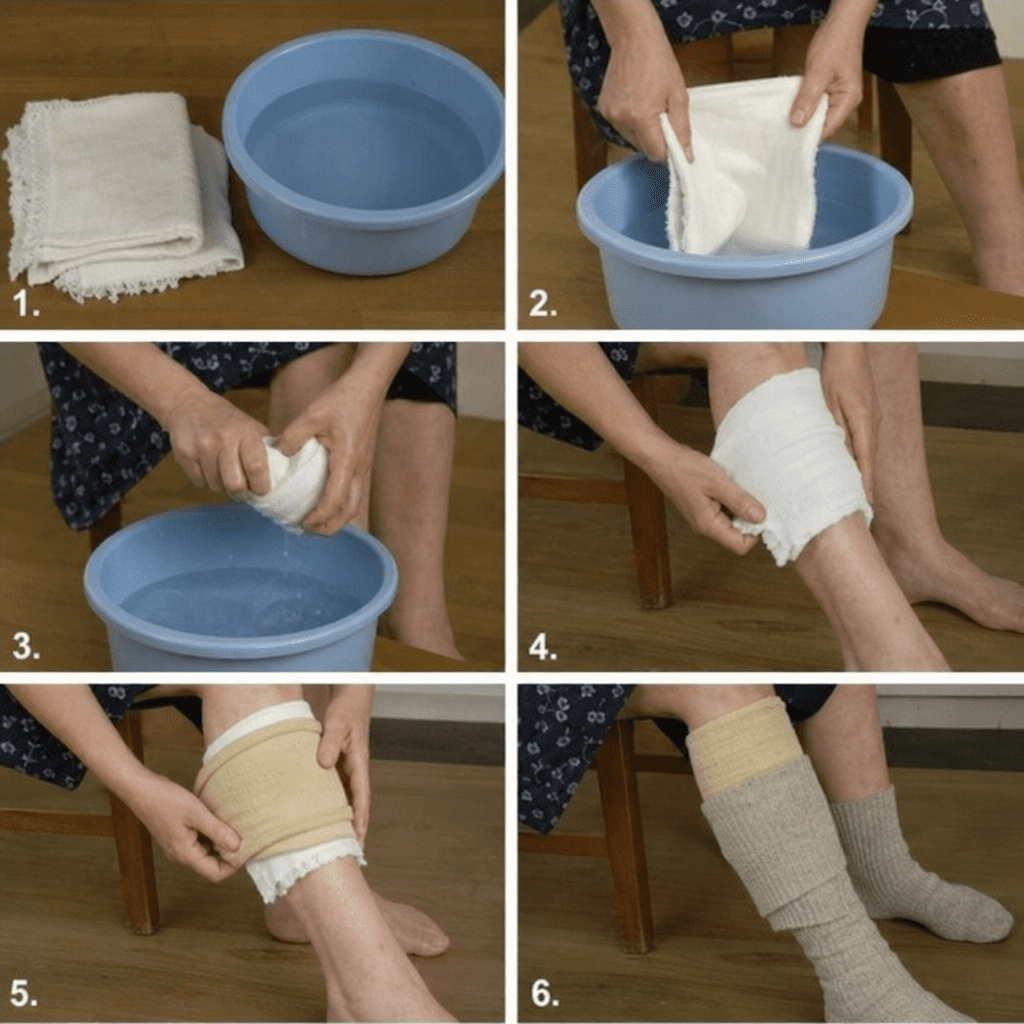
A classic misunderstanding in fever treatment concerns cooling measures. Many patients or their relatives want to lower the fever and wonder how they How to Apply Calf Wraps Correctly.
The iron rule is: Calf wraps are allowed never Use during chills or with cold hands and feet! The body is already freezing during this phase. Cool compresses would send the body into a state of shock and dramatically worsen the shivering. Calf compresses are only used once the chills have completely subsided, the fever has reached its peak, the entire body is hot, and the patient begins to sweat.
Warning signs: When is medical help indispensable?
Chills, in themselves, are not an independent illness but a symptom. In most cases, with a harmless cold, bed rest is completely sufficient. Nevertheless, there are situations where quick action is required.
When to see a doctor for limb pain and recurring chills? Visit a general practitioner's office if:
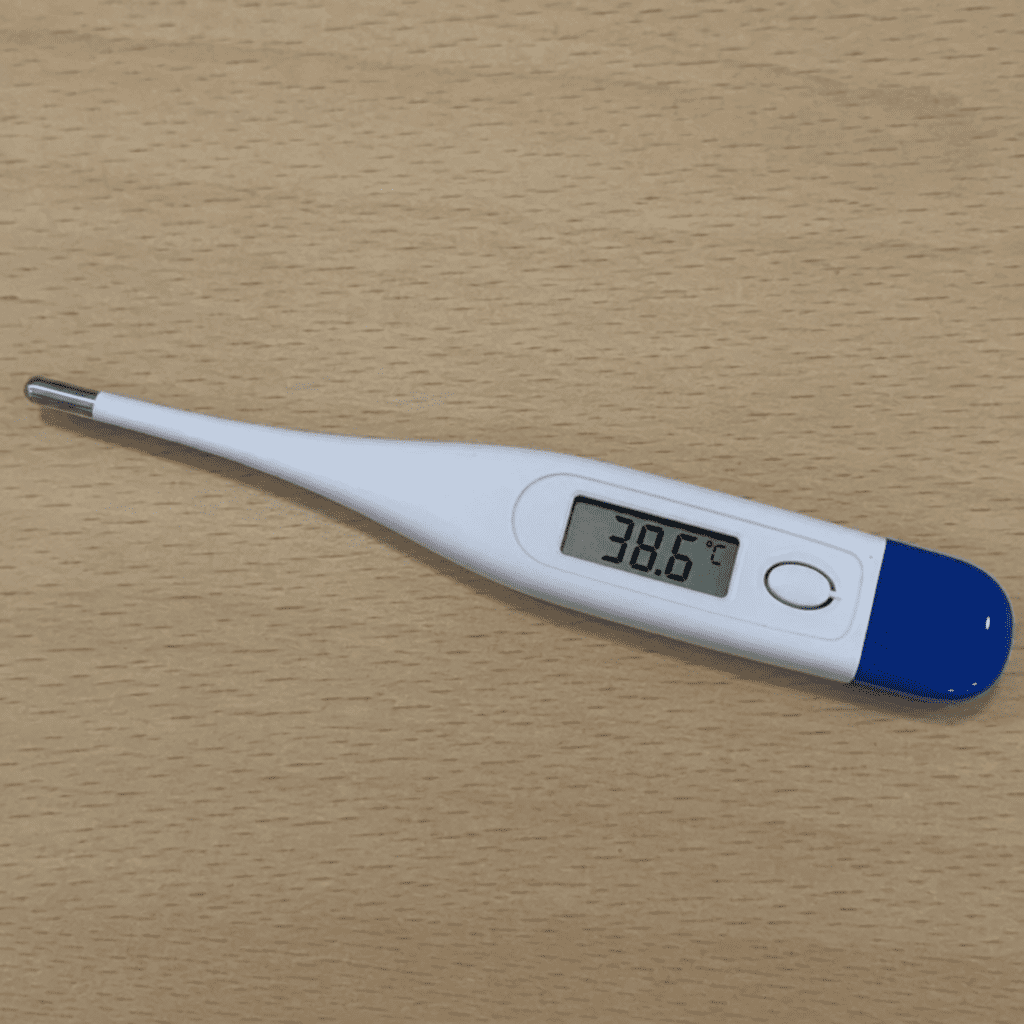
- the fever rises above 39.5 degrees Celsius and cannot be lowered by medication (such as ibuprofen or paracetamol).
- the strong tremor lasts longer than three days.
- accompanying pain such as severe earache, flank pain, or chest pain occur.
- whether it concerns infants, toddlers, or the very elderly.
Absolute Emergencies: Sepsis and Heatstroke
Life-saving is to quickly reach the Recognizing the symptoms of sepsis to be able to. Sepsis (colloquially known as blood poisoning) occurs when a local infection gets out of control and pathogens spread throughout the body via the bloodstream. It manifests as extreme, prolonged chills, coupled with confusion, shortness of breath, a rapid pulse, and an extremely severe, sudden feeling of illness. Every minute counts here – emergency medical services (112) must be called immediately!
Another, often paradoxically seeming, area of application for emergency medical services is in the height of summer. Anyone who suddenly stops sweating after prolonged, unprotected sun exposure, develops hot, red skin, and yet begins to shiver is suffering from a complete breakdown of the body's own temperature regulation. Rapid action is needed here First aid for heatstroke critical for survival. The affected person must be immediately moved to cool shade and treated with damp, cool cloths (on the head and neck) while the emergency number is promptly called.
Conclusion
Chills are a fascinating, albeit very unpleasant, proof of how actively our immune system works. By understanding the causes and meeting the body with warmth during the chills phase, we can optimally support the healing process. Listen to your body's signals, allow yourself absolute rest during infections, and do not hesitate to seek medical advice for persistent or unusual symptoms. This way, you will get through the "great shivers" safely and be healthy again soon.
