
We all know that oppressive, bloated feeling when our bodies just won't cooperate. Although often a silent topic at the dinner table, constipation affects millions of people, leaving them feeling sluggish and blocked up.
According to medical experts, these common digestive problems are usually due to a simple mechanical delay and less often to a serious illness. Imagine your digestive tract like a busy conveyor belt: if this internal rhythm slows down or the transported food becomes too dry, a frustrating backlog is inevitable.
Returning to effortless bowel movements is entirely achievable once the underlying mechanics are understood. This functional perspective on the intestines opens up directly applicable lifestyle adjustments that restore gut health and gently get digestion flowing.
The 3-to-3 Rule: How Often Bathroom Trips Are Truly Normal
A widespread myth states that we need to go to the toilet daily. Medically speaking, however, the proven „three-to-three rule“ applies: anything between three times a day and three times a week is perfectly healthy. Ultimately, you define this yourself based on your well-being., How often is a bowel movement normal?.
The appearance of your stool often reveals more about your personal transit time than the frequency. To easily assess this food retention time in the body, Bristol Stool Scale Interpretation.
This practical tool divides the nature of self-control into seven types:
- Type 1: Single, hard globules
- Type 2: Lumpy sausage shape
- Type 3: Sausage with cracks
- Type 4: Smooth and Silky (Ideal Form)
- Type 5: Soft Lumps
- Type 6: Semiliquid Pieces
- Type 7: Completely liquid
If your results show the first two types, we should gently your Stimulate sluggish bowels naturally. The cause of persistent blockages often lies in the intestine's moisture balance.
The Conveyor Belt Principle: Why Your Body Steals Too Much Water from Stool
Imagine your digestive tract as a long conveyor belt. Through rhythmic muscle waves, medically called peristalsis, your body steadily pushes food forward. During this journey, the large intestine extracts vital water from the slurry, recycling it for your body like a sponge.
If you suppress the urge to go to the toilet in everyday life, the mass simply stays on the conveyor belt. However, your large intestine continues to work tirelessly, absorbing more and more moisture. This promotes hard stools, which ultimately dry out and become difficult to pass effortlessly.
Sometimes, direct side effects of medications on digestion and bowel rhythm are also responsible for the transport suddenly coming to a standstill. To get the transport rolling naturally again, targeted home remedies and bulking agents are suitable.
Fiber as a broom: how to clean up with psyllium and flaxseed
If the conveyor belt in your gut gets stuck, you need the right tools to free it up again. Knowing the difference between soluble and insoluble fiber helps enormously: insoluble fiber from whole grains acts like a coarse broom, sweeping out the intestines. Soluble fiber, on the other hand, transforms into a gentle gel that softens the stuck mass and gently pushes it along.
However, there is one ironclad rule for the safe application of psyllium husks: Make sure to drink a large glass of water with them! Without sufficient fluid, these fine helpers will clump together like cement and only block the way further. Additionally, you are feeding your beneficial gut bacteria with these plant fibers – targeted probiotics for building up the gut flora wonderfully complement this natural healing process from within.
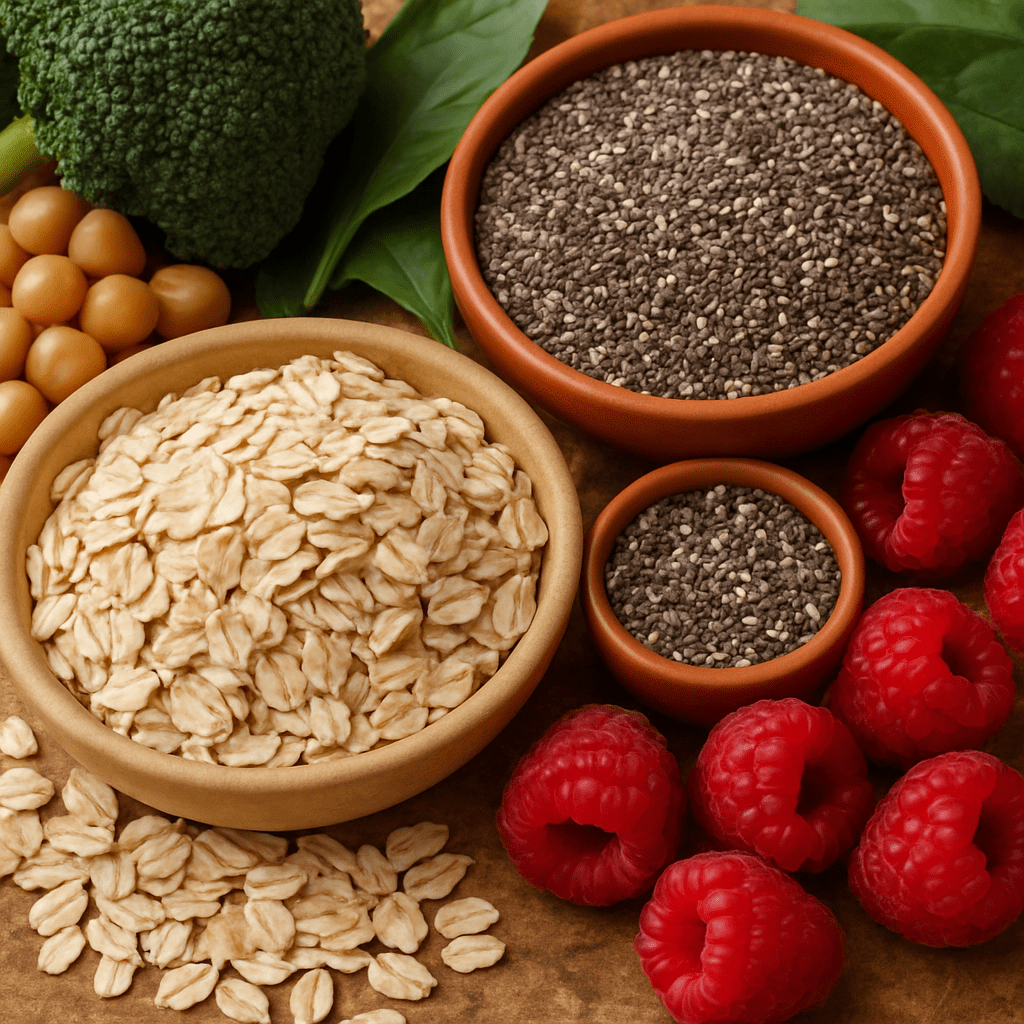
Practical, fiber-rich dietary tips can be easily implemented in everyday life. For a top 5 for your gut, simply opt for oatmeal, flaxseed, raspberries, apples, and lentils. At the same time, you need to avoid constipating foods during this phase. Therefore, as an absolute top 3 to avoid, cut out white bread, fast food, and large amounts of chocolate.
In addition to the smartest food choices, the body needs regular exercise so it doesn't remain in constant rest mode.
More than just sport: Why 15 minutes of walking activates your gut
Even the finest fibers will block if the lubricating layer is missing. Lack of fluid has serious effects on the intestines and transport routes, as the body will otherwise draw the last bit of water from the stool. As a general rule, drink about 30 milliliters of water per kilogram of body weight daily. Furthermore, your digestive tract needs external mechanical stimulation to wake up.
To naturally stimulate sluggish bowels, you don't need to exercise. Targeted digestive exercises can work wonders in everyday life:
- The 15-minute walking window: A brisk walk after a meal gently massages the abdominal cavity from the inside.
- Climbing stairs The active up-and-down motion directly stimulates the deep abdominal muscles.
- The Stool Method: A small stool under the feet mimics squatting naturally on the toilet, utilizing gravity and optimally straightening the rectum.
If this inner engine is running, but the pressure remains, targeted external interventions can provide additional relief.
Abdominal Massage and Home Remedies: Gentle Help for Hard Stools
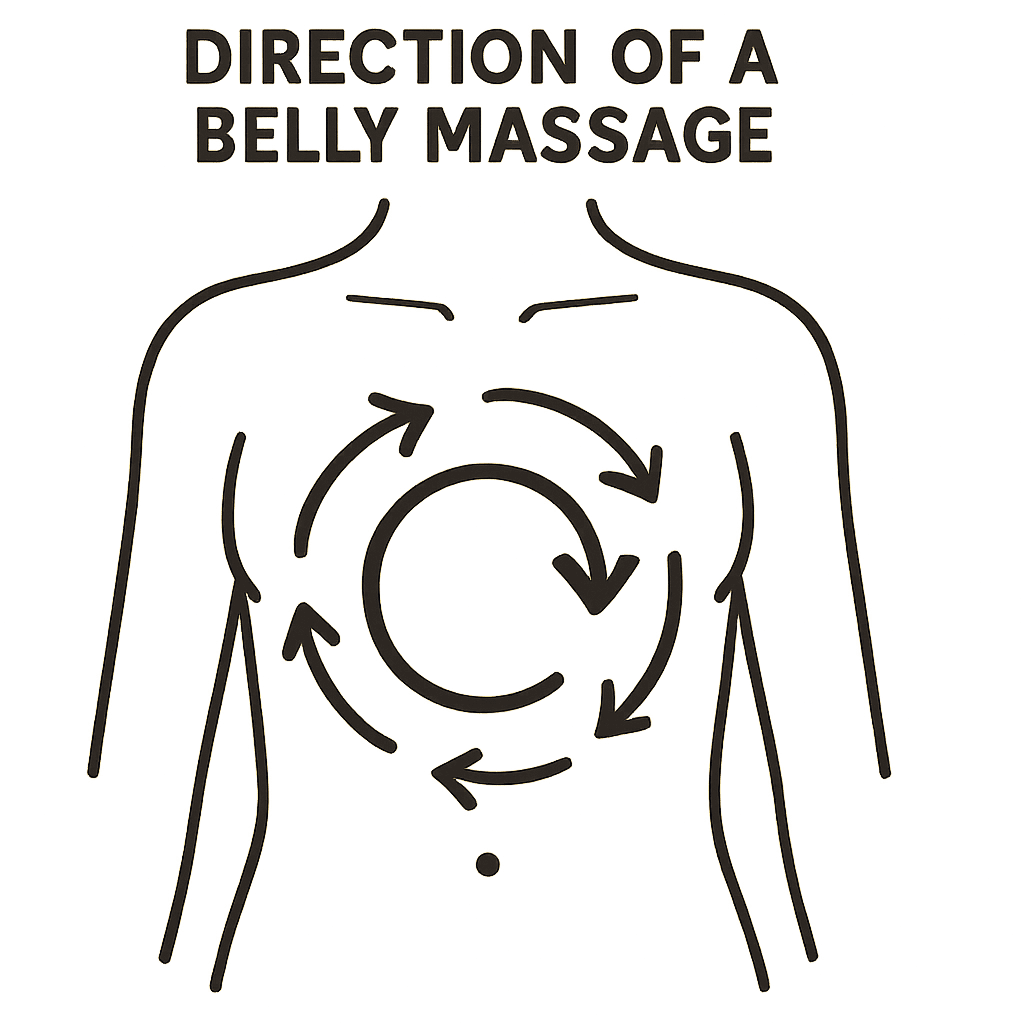
If your stomach still feels hard, you can give it a push with your hands. The so-called abdominal massage for gas technique, often called the I-U-L massage, follows the exact path of your large intestine. For five minutes, gently stroke upwards from the bottom right, across your belly button, and then down on the left to push trapped gas and stool in the right direction.
In addition, psyllium husks are an excellent home remedy for hard stools. To prevent them from clumping in the glass, stir one teaspoon of them quickly into lukewarm water, drink it immediately, and rinse with a large glass of water so that they can act like a soft broom in the intestines.
However, sometimes inner moisture is lacking. Targeted magnesium dosage for bowel complaints works „osmotically“ – the mineral gently draws water into the intestine like a sponge and makes everything smooth. If these natural measures are not sufficient, the question of medical support arises.
When Tablets Are Necessary: The Difference Between Bulk-Forming Laxatives and Stimulant Laxatives
With a simple daily routine of enough water, regular exercise, and gentle Quellstoffe Digestion can usually be well regulated. The targeted use of natural sources versus aggressive Laxatives Protects the gut from developing an addiction.
Although these habits are usually sufficient to To clear a blockage, the body occasionally needs professional help. Always consult a doctor if the following symptoms occur:
- Blood in stool
- Sudden, unexplained weight loss
- Severe, persistent abdominal pain
Digestion is a sensitive system, not a rigid machine. These gentle steps can reliably restore its natural rhythm, finally leading to a light and comfortable feeling in your stomach.
